 Expert comment
 Jeanette Earl
 23
23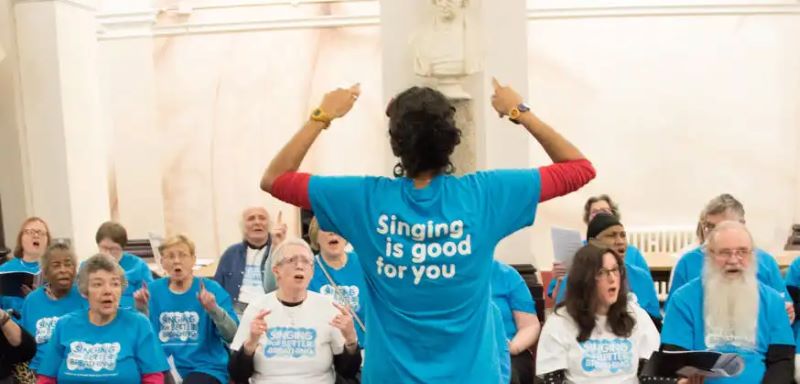
Dr Nicole Holt reminds us of the importance of community-based support for wellbeing.
National Social Prescribing Day on 26 March offers an important moment to reflect on the growing role of social prescribing in improving health and well-being across our communities. For some, including myself as a social prescribing champion and Principal Lecturer in Public Health, social prescribing may feel like a new label for something we have long recognised: the importance of the assets already present in our communities.
The day aims to raise awareness of social prescribing, celebrate the work of link workers/social prescribers and volunteers in our communities. It highlights the impact community-based support can have on people’s lives. It also provides an opportunity to recognise the many students and staff who volunteer their time to support local initiatives that strengthen community wellbeing.
Social prescribing is a non-clinical, person-centred approach that enables professionals to refer individuals to a wide range of local, non-medical activities and services. These might include volunteering, arts and cultural activities, gardening projects, physical activity groups or peer support networks. Rather than focusing only on symptoms or diagnosis, social prescribing recognises that health is shaped by social, economic and environmental factors. Issues such as social isolation, unemployment, trauma and a lack of community connection can have a profound effect on people’s wellbeing. Social prescribing seeks to address these underlying needs by connecting people with opportunities that support both health and belonging.
Through my research at our University, I explore how community-based interventions can improve health outcomes, particularly for diverse populations. Community spaces can offer safety, purpose, identity and connection, which are all essential components of wellbeing. Social prescribing helps bridge the gap between clinical services and these community assets, making them more accessible and meaningful for individuals. For example, in some of my latest research, where I explored the experiences of former Jehovah’s Witnesses, participants described the significant loss of community, identity and support after leaving the religion. The findings highlighted how creating supportive spaces and community networks can help individuals rebuild a sense of belonging and wellbeing, demonstrating the importance of community-based interventions in supporting health and recovery.
National Social Prescribing Day is therefore more than a celebration. It is a reminder that health is created not only in clinics and hospitals, but in the everyday spaces where people live, connect and support one another. By continuing to invest in community partnerships and inclusive opportunities, we can move towards a more preventative, compassionate and community-focused approach to health.
Dr Nicole Holt is Principal Lecturer in Public Health and Wellbeing, in the School of Nursing, Midwifery, Allied and Public Health.


