 Expert comment
 Jeanette Earl
 2116
2116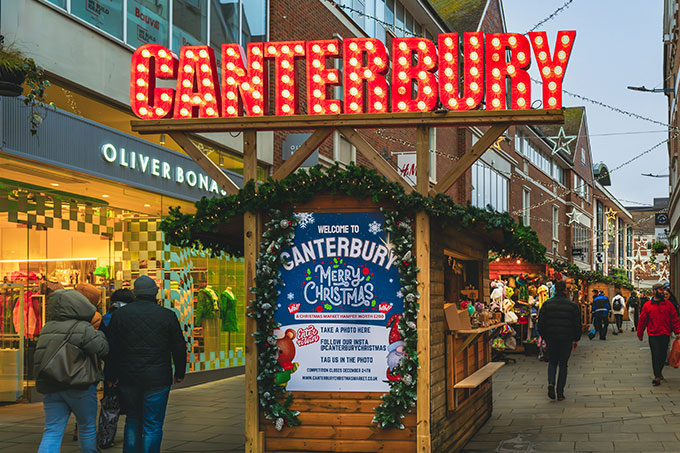
Dr Jake Monk Kydd reflects on a Christmas riot, football, and the death of a King.
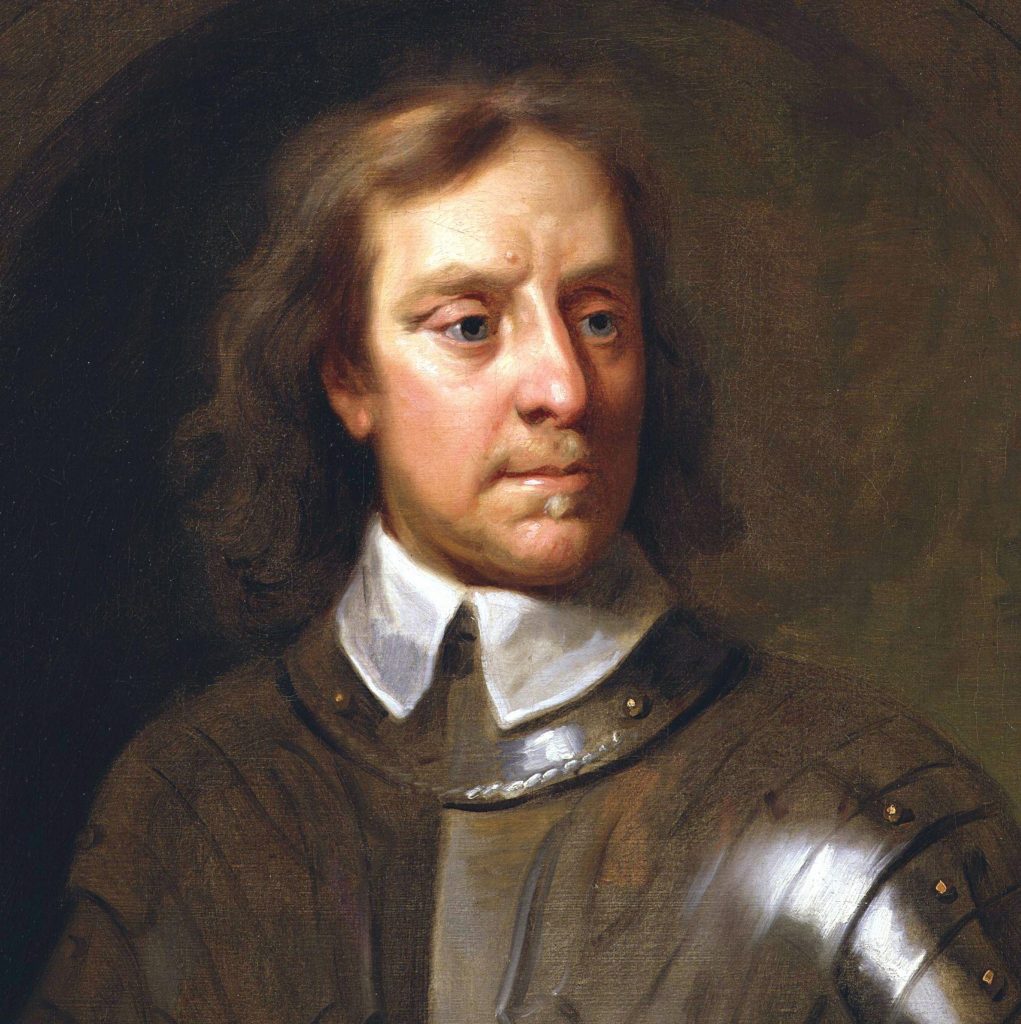
The year 1647 was one of great uncertainty, wedged, as we now know, in the short few months between the two English Civil Wars that saw England become a puritan and kingless Commonwealth. Following the Civil War of 1642 – 1646 a government under Oliver Cromwell was in power. As a puritan there were many things that Cromwell banned, and this included what he regarded as the pagan festival of Christmas. Legend has it that this also included the banning eating of mince pies on Christmas Day.
Despite Cromwell’s victory, Charles I was still King, and he had many Royalist supporters. Unrest was still widespread. It may seem strange then that the second, or perhaps concluding, part of the Civil War might in part be prompted by the good people of Canterbury.
Canterbury and Kent are not obvious hotbeds of sedition. Kent though had spawned the rebellion of Wat Tyler in the Peasant’s Revolt of 1381, and the Swing Riots of 1830, and much in-between. Christmas 1647 was to see such unrest spill over which was to lead to a resumption of the Civil War and just thirteen months later the execution of Charles I at Whitehall.
Part of Cromwell’s ban on Christmas was the removal of Christmas decorations and an insistence on merchants continuing to trade. It was this ruling on trading that was the catalyst in Canterbury. It the 17th Century high days and holidays were few and far between, losing May Day or Christmas Day would have no doubt struck hard for many who had little to celebrate at the best of times.
In the city it was Mayor William Bridge and a group of his officials who sought to enforce the will of the government. Walking the town and instructing merchants to trade or face the consequences resulted in rapidly escalating disquiet from townsfolk. During his remonstrations records suggest that the mayor and his party were manhandled and Bridge jostled to the ground, market stalls overturned, and goods destroyed. Just as the mayor appeared to have reasserted his authority and peace resume someone did something to ensure the completely opposite effect. They produced a football.
It is easy to picture a scene of football being played on a meadow at the edge of the old city, this was nothing of the sort. The best way to describe the scene is as a free-for-all. Perhaps the closest we have to this now is the 700-hundred-year-old tradition of the ‘Haxey Hood’ still played, again the word there is misleading, in the Lincolnshire village bearing its name.
Following the football came a riot. The rebellious mood eventually led to the Royalist supporters gathering at Maidstone in May the following year, only to be soundly beaten by General Fairfax and his New Model Army. Some seven months later Kind Charles was dead, but twelve years later Charles’ son was invited to take the throne so beginning The Restoration, and the old Christmas traditions being restored. Now of course we can decorate, celebrate, and trade as we wish. For those who haven’t already indulged enough a Christmas Day mince pie is also a crime-free option.
Dr Jake Monk Kydd is an honorary senior lecturer in the School of Business, Law and Policing.


