 Expert comment
 Jeanette Earl
 396
396Colleagues from the School of Social Work, Education, and Teacher Education reflect on a recent event they held at Turner Contemporary Gallery in Margate to celebrate student research, and the lessons learnt about how both students and lecturers engaged in learning away from the traditional ‘classroom’.
In recent news it was reported that a leading university is launching five new fully online courses. These promise to break new ground, offering unrivalled flexibility. As Susan Kenyon has explored in a previous expert comment, online courses may be extremely helpful, cutting down on prolonged and expensive commutes by students, many of whom have competing responsibilities and demands on their time.
While going online might, for many good reasons, be the direction of travel for many universities, it is critical to attend to what may happen when things move in different directions.
Last week (Thursday 2 July 2026) students and lecturers from Canterbury Christ Church University gathered at the Turner Contemporary Gallery in Margate to celebrate the School of Social Work, Education, and Teacher Education’s research competition. Students had been invited to select an image or object which they felt best represented their work, literally or figuratively.
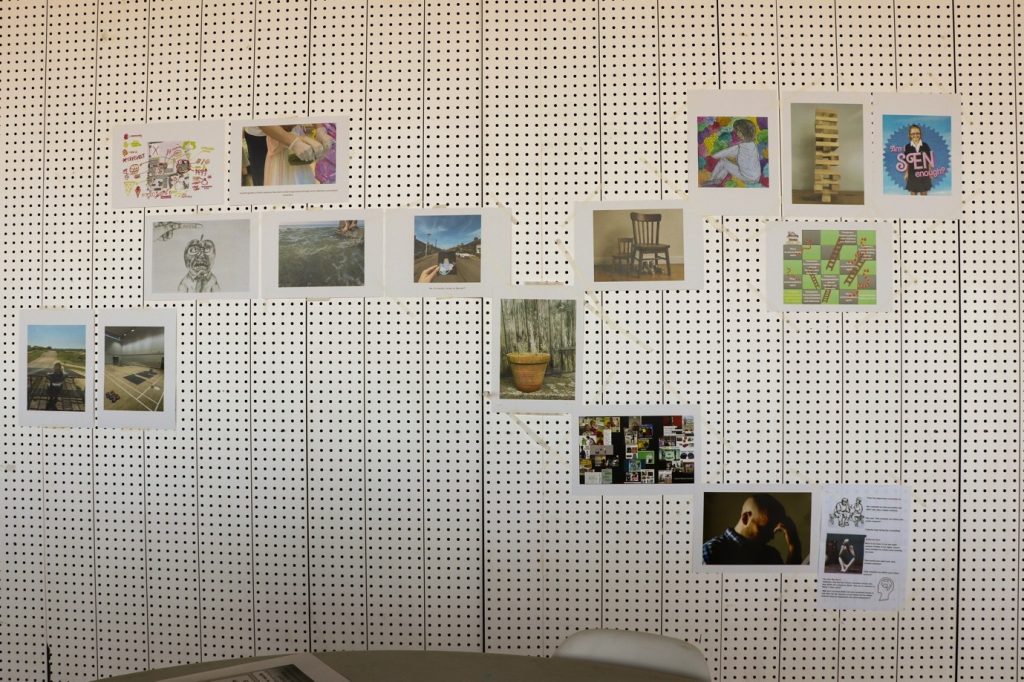
Entries included a partially damaged plant pot representing the consequences of childhood emotional abuse, a hand drawn image of a child, seen from behind, depicting the impact of special educational needs strategies, and a ‘snakes and ladders’ style board communicating the profoundly precarious experiences of people awaiting secure social housing.
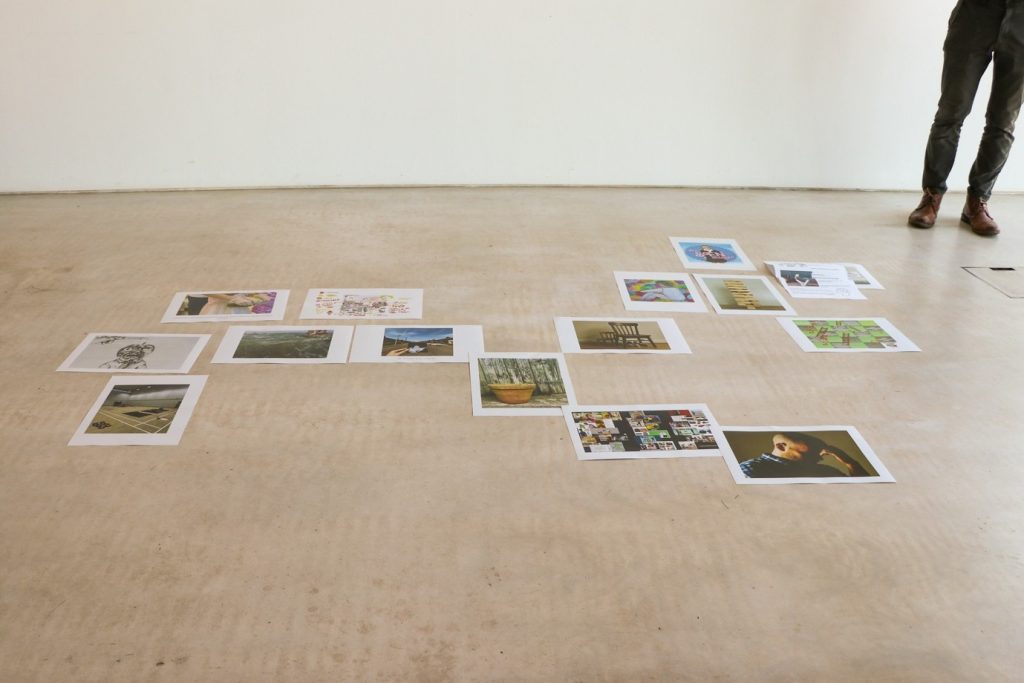
During the day, students reflected on their research and arranged their images into a collective exhibition of sorts. The work of the collective was praised by judges for its capacity to tell complex research stories creatively and accessibly.
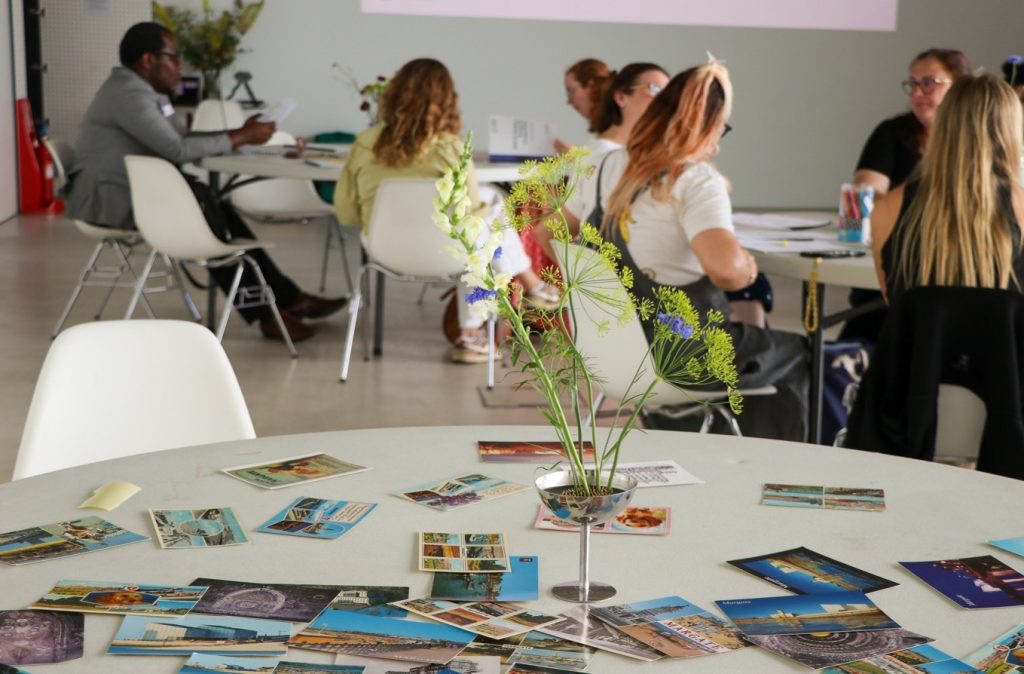
Nevertheless, the day not only aimed to celebrate students’ work but also to explore what might happen when students and lecturers spend time alongside each other outside classrooms in activities which are not assessed, and when students’ research travels beyond computer screens. To be sure, so close to this event there may be rather more questions than answers, and we intend to explore, and hopefully document, these in the coming weeks and months in ‘pages’ beyond this blog.
For now, though, it feels that exciting and important things happened. These relate to how both students and lecturers engaged in sustained personal, scholarly, respectful and sometimes exposing conversations to the extent that they became something quite different from how they might appear in more conventional places and practices. There were flickers of conversations across traditional disciplinary divides and glimpses into the expansiveness of persons which do not and perhaps cannot emerge either in more traditional or virtual classroom settings.
What, then, might be the potential for wider and deeper conversation, or dialogue, between students and lecturers on apparently discrete courses and programmes and how might this expose, and deepen, shared concerns, orientations, and even directions? What might be the potential for more sustained excursions outside classrooms and lecture theatres? Might it be productive to journey more frequently—as we did yesterday—into spaces with heterotopic qualities, a term Michel Foucault used to refer to places which are somehow ‘other’—they contest, disrupt, and perhaps even invert prevailing norms, identities, relations, and meanings performed and practised in more conventional, and normative, settings, or milieu. In heterotopic places, it may even be possible to become other than who we are.
It is also apt to reflect upon how lecturers and students might work to accomplish ways of being alongside each other which might be contrary to the ways we have come to routinely coexist in classrooms which function within organisations and societies which march in destination-oriented lines to the relentless, invasive, and colonising beat and tempo of fast, neoliberal, Capitalist time.
This instils urgency—and perhaps even panic—into everyday identities, relations, and practices in ways which may make them feel debilitatingly transactional as we become governed by the clock and numbers and other strategies and practices of governmentality.
Even today, when back in the grind or Incoming emails and conflicting, and banal yet nevertheless Sisyphean day-to-day demands, our time at the museum still seems like some kind of sustaining ‘oasis’ in harsher environments.
Our day at the museum might even provide clues into how we try to accomplish and co-produce those tomorrows which lie ahead. This is especially timely as new government enrichment benchmarks encourage colleges to champion activities such as music groups and debating societies, recognising that education extends far beyond the classroom. Indeed, much thought is needed upon how all this may be accomplished in ways which ‘fit’ the students of today and tomorrow.
Dr Alex Cockain, Senior Lecturer in Social Work, Dr Emily Lau, Senior Lecturer in Childhood Studies, Dr Emily Sayers, Senior Lecturer in Initial Teacher Education, and Dr Sam Holdstock, Senior Lecturer in Initial Teacher Education – School of Social Work, Education, and Teacher Education.


