 Sustainability
 Bethany Climpson
 378
378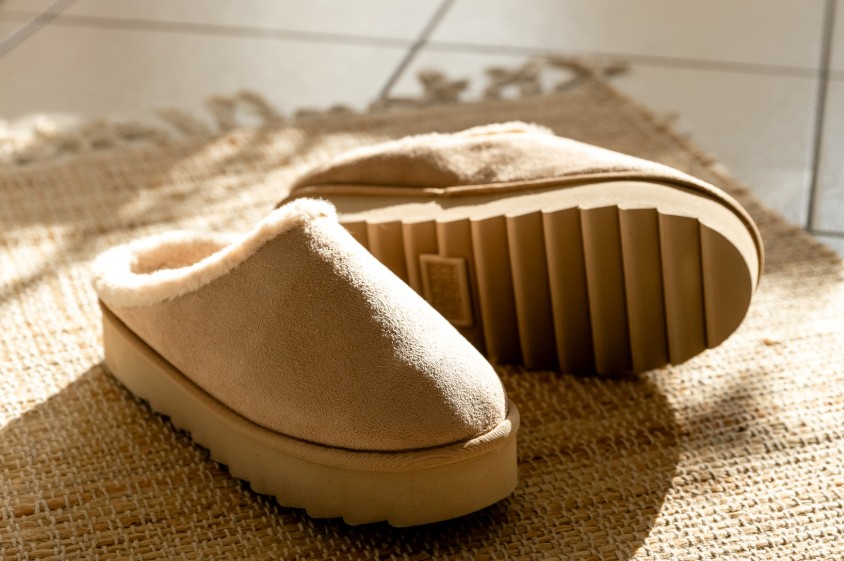
Well, here we are again. Once more, the sustainability of popular footwear brands has captivated me. Prepare yourselves for the third instalment of revealing the truth behind favoured shoes – Uggs. In case you missed my previous two blogs in this series (What the Croc? The story behind the popular footwear brand and sustainability | Sustainability. What’s up Doc? Unlacing the truth of the iconic leather boot | Sustainability), take a look! I am curious if you will fall down the rabbit hole with me…
A brief history of Uggs
My earliest memory of Uggs is from my primary school days, circa 2009. One of my teachers exclusively wore Ugg boots. I remember it vividly as she would alternate pairs each day. In recent years, Uggs have accelerated in popularity spurred on by the revival of Y2K fashion and want for comfort mixed with style. Interestingly, despite Ugg initially having its ‘era’ in the early 2000’s, the brand has been around since the 1970’s.
Founded in Australia, a surfer with a passion for Sheepskin created a footwear brand called Uggs. By the 1980’s, the relaxed and comfort footwear become synonymous with the laidback surfing Californian lifestyle. The 2000’s saw popularity skyrocket with Uggs becoming a symbol of fashion – enter the iconic Y2K fashion. Since the early 2000’s, Ugg has partnered with Jimmy Choo and Swarovski entering high fashion and has even branched into homeware. However, although the growth of this brand is commendable, it does make you wonder what sort of impact Ugg is having on the environment?
The environmental impact of Uggs
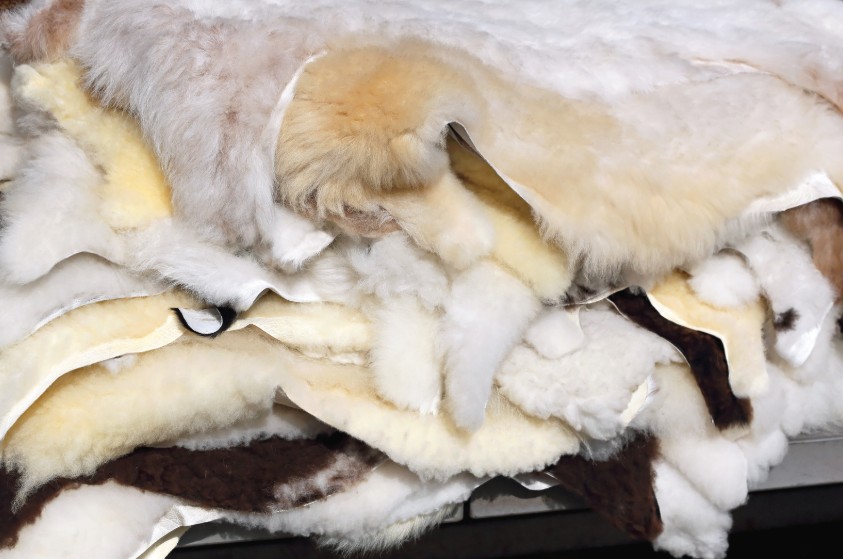
As of 2026, Ugg’s sustainability efforts have been ranked by ‘Good on you’ as ‘it’s a start’. This takes into consideration carbon emissions, supply chains, water wastage and more. However, there is no avoiding the obvious – Uggs are predominantly made from sheepskin.
Sheepskin is a type of leather where the hide of sheep is used with the fleece still attached. The hide is then tanned to change the leather colour. One of the brands requirements is that the leather used for its footwear is sourced as a by-product from the food industry. This means that sheepskin is taken from sheep specifically reared for meat. By ensuring all that is sourced is a by-product reduces waste and the amount going to landfill to decompose. However, there is still an environmental cost. Like traditional leather sourced from cows, sheep produce high levels of methane significantly contributing to global greenhouse gas emissions. In fact, livestock contribute 44% to global methane emissions, the second leading greenhouse gas directly linked to climate change.
In the last decade, Ugg has been involved in disputes related to the unethical treatment of animals and human rights complaints. Although Ugg confirmed in 2020 that they source their leather from the Leather Working Group, where ethics and sustainability are prioritised. However, the organisation PETA (People for the Ethical Treatment of Animals), describe an organisation like Ugg using real leather, as unethical and cruel, regardless of responsible sourcing efforts. Furthermore, a supplier of Ugg was reported for union busting, where employees are prevented from forming a labour union.
The response of Ugg
Ugg have acknowledge they have a duty of care and responsibility considering their environmental impact and ethical practices. Current initiatives include:
- Eco friendly materials – This incorporates recycled wool, upcycled fibres and plant derived elements
- Plant based alternatives – Some Uggs can now be purchased in a plant-based alternative that uses sugarcane
- UGGrenew – A scheme available in the UK to repair or refurbish Ugg shoes. This includes, cleaning, re-dying, sole replacement etc.
- Leather – Sourced exclusively through the Leather Working Group tannery to ensure ethical practices are upheld
- Human rights – For workers, there is an internal system where complaints can be raised anonymously
Is it enough?
As ‘Good on you’ suggested, it’s a start. Arguably, sheep leather is less harsh on the environment but has an impact nonetheless and whilst the sheepskin is sourced as a by-product, an animal is still being killed regardless of the purpose. Whilst highlighting that Ugg have made changes to more environmentally conscious practices, the efforts feel a little half-hearted in my opinion.
Take the UGGrenew scheme for example, it is a great initiative to encourage repairs rather than sending shoes to landfill or buying a new pair. However, the scheme is only available in the UK and only Ugg Classics are eligible. Surely all Ugg shoes should have the potential for repair or refurbishment? Additionally, the Vegan alternatives are limited to eight styles and are released in exclusive collections, making them difficult to obtain. Whilst vegan leather has its own issues linked to durability and plastic usage, it is still something to work towards when vegan leather alternatives are available that can minimise animal killing, plastic pollution and short product lifespan as mentioned in What’s up Doc? Unlacing the truth of the iconic leather boot | Sustainability.
Taking this all into consideration, I have very conflicted feelings about Ugg. Whilst with Crocs, the recycling scheme and durability reassures me and Dr Martens repairs and vegan alternatives give me hope, I do not feel either of these things towards Ugg. I am quite fond of them for their comfort, but I get this sense that Ugg is trying to put a plaster over a much bigger issue.
I have compiled some recommendations for Ugg alternatives that may align better with your values:
- PAWJ California: 100% Cruelty Free and Vegan Footwear
- Vegetarian Shoes: Ethical Footwear and UK Based
- Wills Vegan Store: Vegan and Carbon Neutral
What are your thoughts on Ugg’s efforts?
By Maddie Polston, SGO Projects Officer😊
Fancy some extra reading? Check out our sources:
With record growth, Uggs are taking over the shoe world
Responsibility page | Deckers Brands
Ugg – Shoes & Trainers: Ethical Sustainable Comparison- The Good Shopping Guide
UGGrenew | Clean & Refresh your UGG Boots | UGG® UK
These Vegan Ugg Boots Will Keep Your Feet Comfy, Cozy, and Cruelty-Free | VegNews


