 Sustainability
 Bethany Climpson
 580
580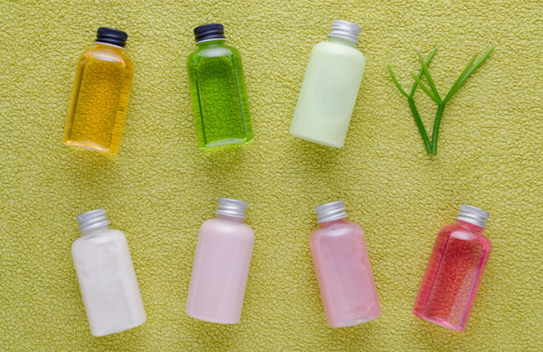
We have all seen it, shower gels, body lotions or sprays labelled as “Fruity and Fresh!” sure to help you smell your best. When was the last time you stopped, turned to the ingredients list and processed what you are putting on your body, the chemicals being absorbed into your skin? It is not just exclusive to toiletries, forever chemicals reside in cosmetics, household items, cleaning products, food packaging and more. It is hard to think that something as simple as a frying pan could be impacting your health and it’s not just us mere mortals but the environment too. So, let’s try and digest the indigestible, after all some things should not truly be forever.
What are forever chemicals?
Forever chemicals is a term commonly used to discuss PFAS, per/poly-fluoroalkyl substances. PFAS is an umbrella for over 5000 individual chemicals, used for durability, non-stick, water repellence and anti-grease properties. Incredibly useful, yes, but it comes at a cost as ‘forever chemicals’ suggests, PFAS is almost impossible to biodegrade. PFAS is a combination of polymers (found in plastic) and non-polymers (found in metals, industrial chemicals and pharmaceuticals). Once a PFAS chemical has been produced and ingested, inhaled or absorbed, the chemical bioaccumulates building up until heavily concentrated as it has no way of breaking down.
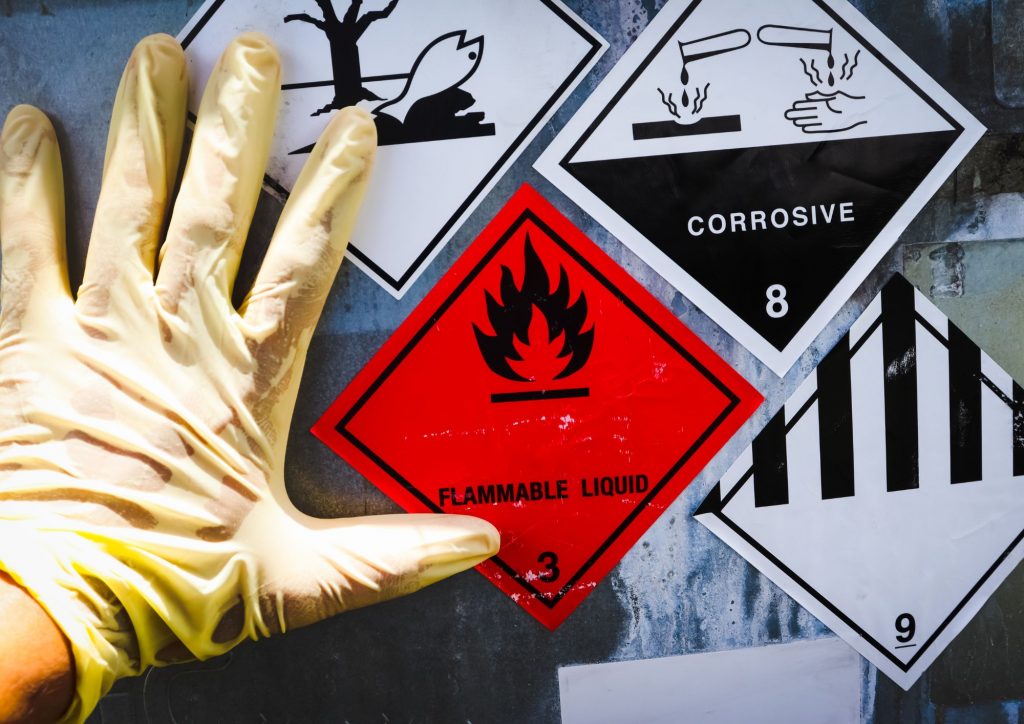
Image Description – Chemical warning labels
What harm do forever chemicals cause?
- People – Scientific research in this area is growing due to increasing concern over the effect PFAS can have on human life. Current research suggests that these forever chemicals are linked to hormone and endocrine disruption, immune system suppression, even high cholesterol and blood pressure.
- Planet – Petrochemicals are used to produce PFAS which is 99% fossil fuel derived, contributing heavily to global greenhouse gas emissions. PFAS can be found in soil where pesticides containing forever chemicals is used disrupting its natural ph. It has largely become present in water harming marine life ingesting these chemicals with PFAS potentially contaminating water supplies. Like humans, PFAS is linked to health impacts on wildlife threatening their livelihood.
Click here to see a useful diagram on how PFAS spreads: About PFAS
Laws and Regulations
I know what you’re thinking, surely there must be some laws or regulations on PFAS if it is really that bad? The answer is complicated. When it comes to drinking water in the UK there are no regulations over PFAS presence. However, the Drinking Water Inspectorate is starting to put some guidelines in place as European legislation shifts putting concentration restrictions on levels of PFAS in drinking water. High PFAS presence is why it is unsafe to drink rainwater and was formally stated in 2022. However, a formal plan to tackle PFAS in the UK was only published in February 2026 by the UK government. This plan sets to:
- Create guidelines on PFAS pollution
- Bring in a statutory limit to PFAS concentrations in UK water supply
- Testing good packaging for PFAS
- Public awareness of PFAS
- Improve monitoring, handling and disposal of PFAS to limit environmental damage
- Monitoring PFAS concentration in soil
This comes after growing concern in Europe leading to strict regulations including improved testing, maximum concentrations and the ban of certain chemicals. For example, in January 2026 a law came into effect in France banning production of products where PFAS free alternatives exist to stop circulating these forever chemicals.
Things you can do
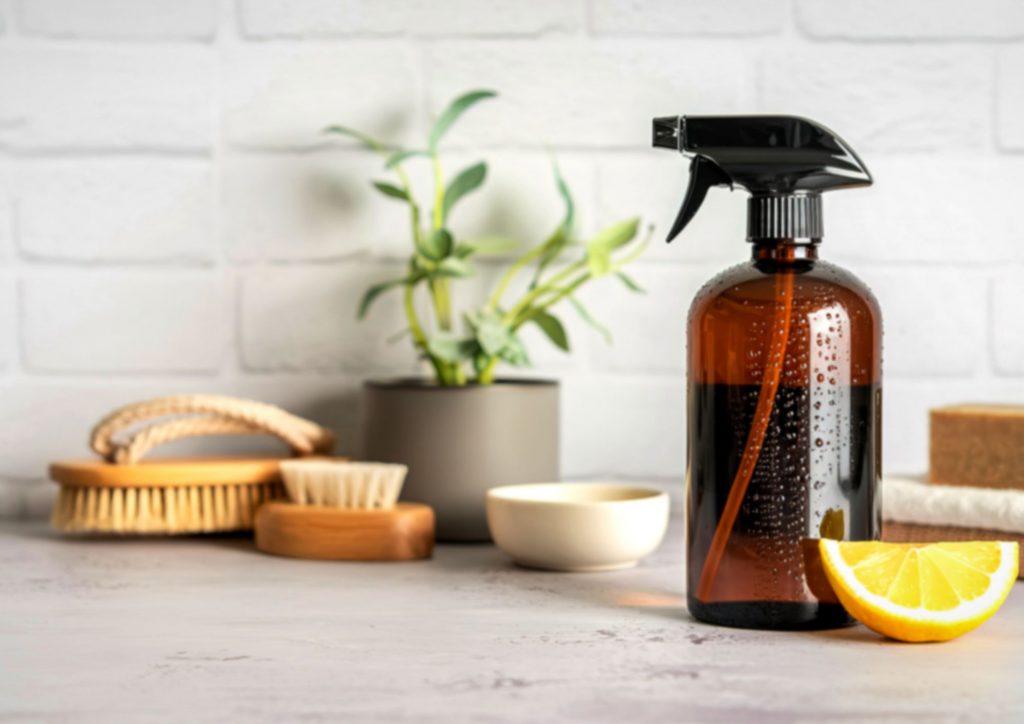
Image Description – Naturally derived cleaning products on kitchen counter
There are many things you can do to limit your PFAS exposure and aid in its reduction in the environment. This includes:
- Use stainless steel instead of non-stick. It is possible to make stainless steel pans non-stick by ensuring it is heated enough before adding the appropriate oil/butter as each have a different burning temperature.
- Switch your plastic Tupperware for glass. Not only is this reducing plastic pollution it is also preventing you from ingesting harmful microplastics.
- Consider non-toxic cleaning products which are safer for your health and the environment (this includes not using chemical air fresheners).
- Check the ingredients lists of your cosmetics and toiletries and opt for naturally derived ingredients. Some ingredients to avoid include ingredients containing ‘fluoro’ or ‘PTFE’.
As laws and regulations come into play, hopefully we will start to see the gradual eradication of PFAS from production or at the very least a drastic limitation on what is present. What more do you think should be done to limit the effects of PFAS?
By Maddie Polston, SGO Projects Officer
Check out our sources! 😊
PFAS and Forever Chemicals – Drinking Water Inspectorate
PFAS – a Red List Material: the Future of PFAS in Europe’s REACH Revision – Living Future Europe
Why are PFAS so bad for people and planet? | ClientEarth
UK’s first-ever plan to tackle ‘forever chemicals’ – GOV.UK
French ban on ‘forever chemicals’ in cosmetics, clothing to enter force


