 Sustainability
 Bethany Climpson
 40
40
It’s Saturday night and you are going out. You have had a long week; it seems only fair to hit the town and blow off some steam. You shower, washing and drying your hair to look amazing tonight, and you have even bought a new outfit. You hit a couple bars, downing a few pints before hitting the dancefloor (and given in this scenario it’s a Saturday in Canterbury, chances are you’re at Club Chemistry). “Fancy a maccies?” lures you back out onto the street, to grab some food before crawling into your bed and crashing out as soon as your head touches the pillow.
But have you ever considered the sustainability of your nights out, both environmentally and socially? In the aforementioned scenario, you have used a lot of energy to wash and dry your hair, and your new outfit (which let’s be real, you got from SHEIN), might be contributing to the fast fashion cycle and overconsumption. Now these bars you hit for pre-drinks, how many of them used single-use plastic cups, and how many of the cups were just disregarded in the street when you were finished with them? These cups can take up to 450 years to biodegrade and add more microplastics into the environment.
You make it to the club, but a single club uses roughly the same energy consumption of 45 three-person households through lights and sound systems. Per person, a trip to the club emits on average 1.9 kilograms of C02. Your C02 emissions for the night are racking up swiftly.
That cheeky McDonald’s contributes to the yearly 61 million tonnes of C02 emissions from the company, not to mention the negative impact overproduction and consumption of beef can have on the planet’s C02 levels.
Sad McDonalds cup on floor: https://unsplash.com/photos/a-disposable-cup-with-a-straw-on-the-sidewalk-2VdfXzl7-rs

So, to put it bluntly, your night out is not looking particularly environmentally beneficial. But does this mean that your nights out are entirely unsustainable? Well, research conducted in one club found that 90% of young people believed that clubbing improved their mental health, demonstrating another side to nightlife, it’s social sustainability and health impacts.
Let’s start with the physical health benefits. Although at midday on Sunday when you feel like death you might not exactly be feeling that positive about your night out, all your dancing the night before has improved your cardiovascular health as it is a form of aerobic exercise, and it has helped to release stress and tension that has built up over your week.
But it’s not just physical benefits, your night out can have an impact on your mental health as well. A study has found that dancing in group creates a sense of cohesion and raise pain thresholds, creating a sense of belonging and connection within the club. The music also helps to release dopamine, and can have therapeutic benefits, helping us to relax. This atmosphere of togetherness on the dancefloor has also led to something deeper: social change.
For years, clubs have been linked to marginalised groups as safe spaces for people to meet and connect. As a result, nightlife has helped to link culture and parties to greater political activism, and further draws people together, both for change and for improved wellbeing. These spaces act as a place to escape everyday life and to let go.
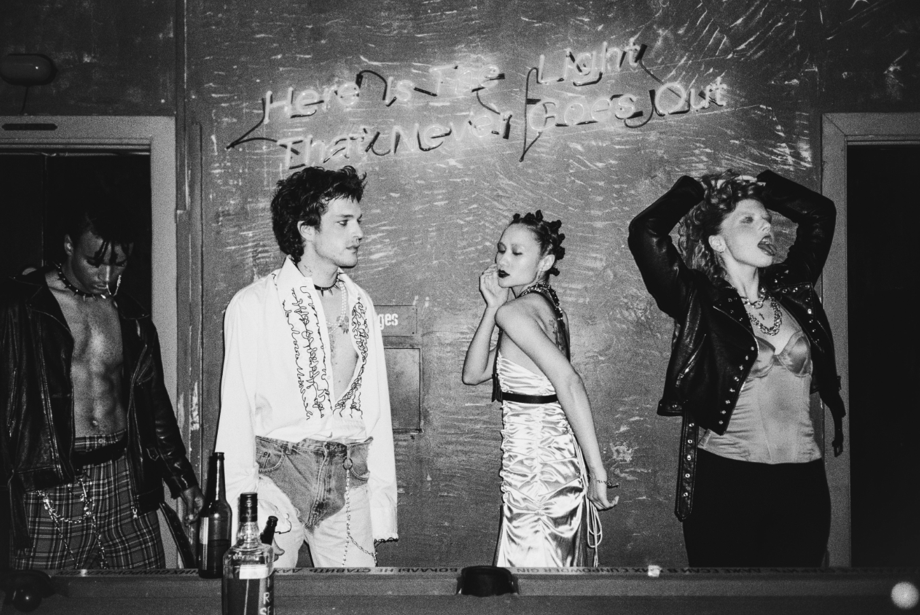
Black and white club photo: https://www.pexels.com/photo/people-having-fun-in-bar-10675709/
So, how can clubbing be made more environmentally sustainable to allow us to continue to reap the social and mental health benefits of a night out? Some clubs have begun to introduce systems to reuse energy. ‘Energy Dance Floors’ are made up of small plates which move slightly when stepped on. The energy released from the movement generates electricity, which is used to illuminate the dance floor and power the DJ, meaning the dancing powers the club.
Another example of this is a club which has installed the BODY HEAT energy system, which uses the heat generated from dancers within the club to be stored and later reused within the venue to control the temperature, essentially creating a thermal battery.
Dance floor photo: https://unsplash.com/photos/red-and-blue-ball-decor-2XKAUkbq218

It doesn’t have to be a whole club refurb either, there are easier ways for clubs and bars to reduce their environmental impact, for example by installing more energy saving lamps and LEDS, switching to reusable cups and stopping the use of single use plastics. In defence of the nightlife in Canterbury, many clubs do use reusable plastic cups and paper straws, which significantly improves their environmental impact. Where switching to reusable cups is not an option, bars could use biodegradable cups to reduce the microplastics being pumped into the environment.
Given young people are often one of the groups most concerned about the environment, and those most likely to be in the club, implementing changes to improve the sustainability of nightlife would have a massive appeal within the consumer audience. Environmental events, such as Earth Night, help to promote this message, with this particular event being the night out version of Earth Day, celebrating the planet through electronic music.
You can even make a difference on a personal level; wear an outfit you already have or thrift a new one. And dare I ask that you skip the McDonald’s trip on occasion? I’m sure your body will thank you for it in the morning.
Of course, your nights out should be considered in moderation, as the positive health benefits don’t look that positive when you are sleep deprived and binge drinking all night, and that’s without considering the more dangerous risks such as spiking. Taking part in conscious clubbing (where you enjoy the social elements of a night out without drinking) or practicing mindfulness by focusing on breathing when dancing can elevate these positive mental health benefits.
Although your hangover might disagree, your nights out are worth in, as clubbing can be incredibly socially sustainable, and we are moving towards a more environmentally sustainable approach as well. Consider the impact of your own nights out, and how sustainable you think the bars and clubs you attend are. By thinking about your impact, we can move towards a safer and more sustainable nightlife culture that benefits both us and the planet.
By Emilia Hollingdale, SGO Projects Officer


