 Sustainability
 Bethany Climpson
 406
406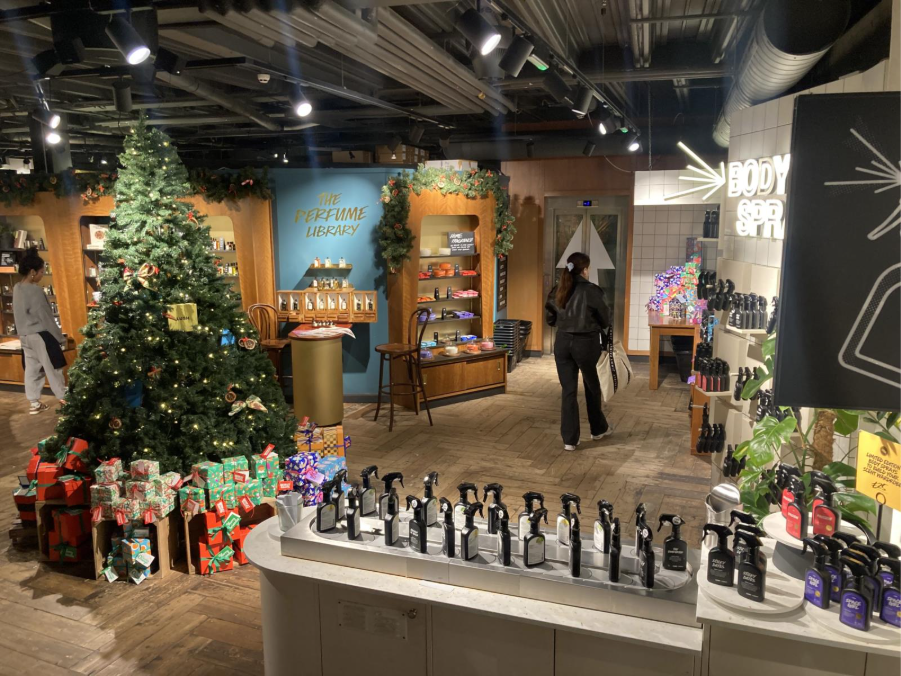
Perfume. It is the punctuation mark which signifies the start of my daily pursuits.
Mornings are intersected from the point of first spritz – the sound of the toast escaping the toaster, separated from the crowded platform, by the blend of bergamot and patchouli which I have chosen that morning. Whilst I don’t get a seat on the train, and I’m nestled between a state-of-the-art bicycle and a duffle bag full of sports gear; I am reminded of my 22nd birthday.
In the evenings, a similar interruption occurs: I am in the gym, getting ready to leave, when I am transported back to my teen-years – peony, lychee and freesia.
Perfume can be a very important part of self-expression and identity; a way of recognising a person or place. Whilst I value its way of accenting my life, I have certainly been trying to be more intentional with the perfumes I bring into my collection – and I’d like to talk to you about why I have decided to do so, and why you should too.
“She was sensible and clever, but eager in everything’
‘Sense and Sensibility’ – undoubtably an iconic book – is a phrase you can use when reflecting on your consumption on nearly anything. It may be hard to consider that something so small, which we often use sparingly, can have a carbon footprint. However, ensuring that you are fully present in the moment when you are spraying the perfume (‘sense’), rather than it becoming a familiar gesture of your routine, instead of a privilege and a treat, means that you can consume it more ‘sensibly’; with the knowledge of how much you are using. Moderation is key.
There are many factors which can influence the impact of perfumes, smelling good and doing good for the planet is possible: mainly through using what we already have. I have had many of my perfumes for half a decade – as someone who likes to have many options available. However, when you’re looking for the start of a new chapter, for yourself or a friend, here are some things to look for in a sustainable scent.
What’s in a name?
‘A rose by any other name would smell as sweet’.
‘Two great houses both alike in dignity’ in the Isle of Fragrance, where we lay our scene. The house of natural ingredients and the house of synthetic ingredients have been at conflict for a while, and as with most environmental discourse, the conflict concerns which of the two is more environmentally friendly.
The answer is complicated. Natural ingredients can be renewable, but their cultivation comes at an environmental cost – deforestation and high-water consumption to maintain fields or trees or bushes of a particular ingredient. While synthetic ingredients can often reduce the pressure of these concerns, they are frequently derived from petrochemicals – which raise alternative sustainability concerns.
A study published in the Journal of Environmental Health Science & Engineering in 2022 highlighted how many perfumes contain volatile organic compounds (VOCs) and chemicals like diethyl phthalate, a pollutant linked to health concerns, including allergies, endocrine disruption and nervous system damage. These compounds linger in the air and impact human health.
The most sustainable path may lie in responsible use of both natural and synthetic ingredients: depending on the ingredient, how it is harvested and where it comes from.
Notes of Compassion
Across continents, languages and time; names and titles have had the power to evoke meaning and emotion, and perfume names are no different. Promises to enhance your mystique, your playfulness or even your moodiness written on a bottle, or said by the beautiful model riding a horse across the desert. Even the ingredients in your bottle are touched by the magic of names.
The names of ‘jasmine’, ‘sandalwood’ and ‘rose’ promise prosperity – employment for the whole family. Natural ingredients often require resource intensive cultivation, harvesting and processing which has been revealed to provide low-paid work to adults and children in Egypt. A BBC investigation revealed that jasmine, a key ingredient in many luxury fragrances, has been picked by children – despite major brands claiming ‘zero tolerance’ for child labour. In 2024 it was reported that some workers earn as little as £1.18 for a night’s work, which is well below the poverty line. Additionally, the BBC have reported that the work affects the eyes of the workers, who must begin their day early to avoid the sun’s heat damage to the flowers.
The ethical conversation also extends to animals. While many companies advertise their ‘cruelty free’ status, the term remains largely unregulated. The Leaping Bunny programme is the most reliable certification, as it ensures that no new animal testing occurs at any stage of product development. However, vegan perfumes progress this idea by avoiding all animal-derived ingredients such as ambergris (from whales) and civet (from cats), with sustainable plant-based or synthetic alternatives.
So We Beat on, Spritz Against the Current
Image descriptions: the inside of a story with many products, and Flic looking at soaps in a store aisle
Perfume can be a wonderful sensory experience – bringing back years of memories and expressing your current identity. However, everything must be used responsibly. Many fragrance companies are beginning to balance luxury and sustainability, but true change depends on the consumer: funding companies whose ethics and innovation you agree with means that other companies will see what consumers want and will follow in their ethical footsteps.
Important factors to consider when choosing a sustainable perfume include:
- Finding a transparent brand which is open about souring, testing and production.
- Ensuring traceability of ingredients from field to bottle.
- Innovation is important – commitments to upcycled materials or refillable packaging, simplistic boxes and vessels, as well as to finding new sustainable natural and synthetic ingredients or formulas ensures that the company cares about sustainable development and moving forward, more than maintaining the status quo.
Choosing a truly sustainable perfume which ticks all your boxes is important and will ensure that you enjoy every spritz; it may take longer than usual, but it ensures that everyone and everything in the supply chain is showed the same attention as you are when you smell amazing in the town centre. So we beat on, spritz against the current – proving that true luxury lies not in excess, but in intention.
By Flic Lindo, SGO Project Officer
Ingredients:
Mair Fragrance – What Impact Does Wearing Perfume Have on the Environment?
BBC News – Ahmed ElShamy and Natasha Cox – Luxury perfumes linked to child labour, BBC finds
Eden Perfumes – Faye Lord – The Rise of Vegan Perfumes – Why Are Consumers Making the Switch?
Sign Your Scent – Ankita – Why Perfumes Aren’t Vegan & Cruelty-Free And What Brands To Explore


