 Sustainability
 Bethany Climpson
 11
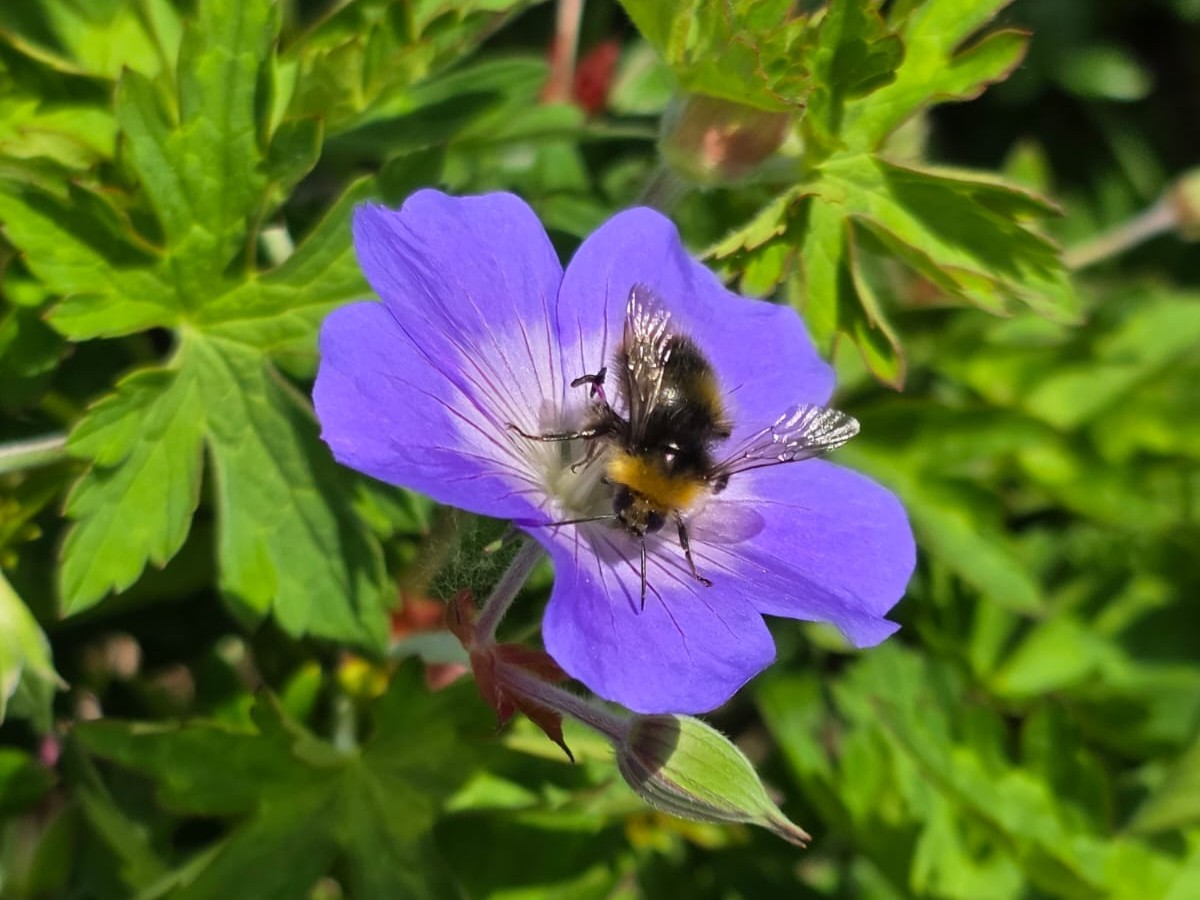
Our campus is buzzing with life, but have you ever really taken a moment to notice it? As students, we focus a lot on the future, but often in doing so we forget to exist in the present. That is one of the millions of things that make the natural world so remarkable; it grounds us. The simple act of noticing what is going on around us brings us back to the present, but it is becoming somewhat a forgotten practice.
An early morning walk around campus can change the course of your whole day if you let it. Being present in nature has been proven to reduce stress and anxiety, lower blood pressure, and even improve cognitive function. So, I guess we could say going for a nature walk counts towards studying? (I mean, kind of; it will definitely help if you actually do some revision after) Frequent exposure to nature can even impact long-term mental and physical health.
Next time you walk through campus gardens, stop. Take a moment. Look at some of the plants around you, what can you see? Personally, I have seen an abundance of bumblebees (Bombus) on my campus walks: white-tailed, buff-tailed, even some red-tailed too. They are absolutely fascinating to watch, and honestly a little inspiring. Well known for their work ethic, bumblebees are pretty special in other ways too, they are incredibly emotionally intelligent, and it’s so clear from watching their interactions with one another. Recent studies at Queen Mary University of London suggest they engage in play behaviour with no reward other than fun, and they even express emotion through facial expressions and body language.
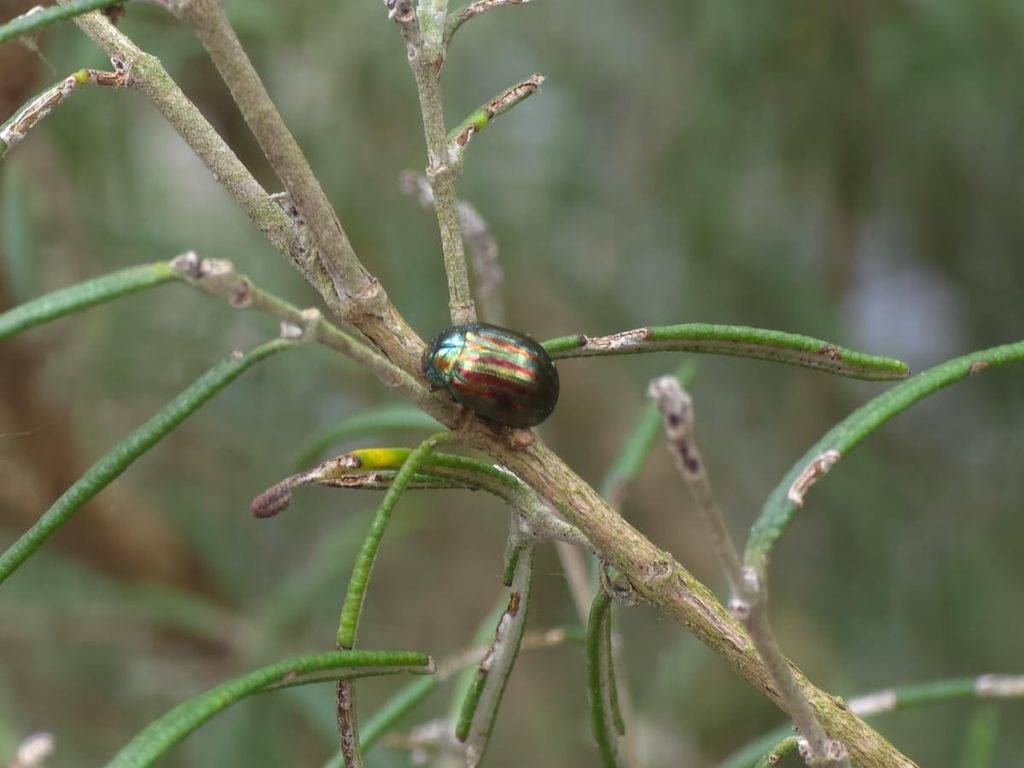
And that’s just some of the many you can find on campus, when you look. Ever heard of a rosemary beetle? At just 6-8mm in size, these tiny, but insatiable beings are so easy to miss, but are ample on campus when you know where to look. Mesmerising in appearance, they are almost iridescent with metallic green and purple stripes. They can strip entire rosemary plants with their ferocious appetites. Next time you walk through the Olive Grove take a look at the rosemary bushes, if they are a little bare, look a bit closer and see if you can find one.
My favourite thing to look out for on campus is the birds, at first you will probably see the European Herring Gulls, their presence is large, but if you take some time to look around you’ll likely see a lot more. If you ever liked playing Pokémon Go, you’ll love the Merlin app, developed by Cornell University, which allows you to identify birds by their calls and take photos, while also contributing to a citizen science programme. It’s basically real-life Pokémon Go, but with birds. It’s great fun to use around campus. I have found great tits, blue tits, starlings, sparrows, robins, jackdaws, blackcaps, swifts and even a few buzzards around campus so far.
Another study conducted by Kings College has shown a link between bird encounters (sight and sound) and improved mental wellbeing, even those with diagnosed mental health conditions have been found to experience improvements with exposure to birds. Seriously, just look up and listen; you will be amazed at how therapeutic it can be.
The benefits of being present in nature are endless. Not only is it proven to support human wellbeing, cognitive function and focus, but paying extra attention outdoors can also bring a deeper awareness of the world around us. Taking a moment to notice the smallest of things in nature can spark curiosity, inspire, help develop a deeper understanding of local ecosystems, and even strengthen our respect for our natural world.
I challenge you to take just 5 minutes out of your day every day this week to be completely present in nature, allow yourself to notice things, take note of what you see, and let yourself be curious. It may well change your whole perspective, because in nature even the smallest of things can be extraordinary.
By Cara Blackburn, SGO Projects Officer


