 Sustainability
 Bethany Climpson
 34
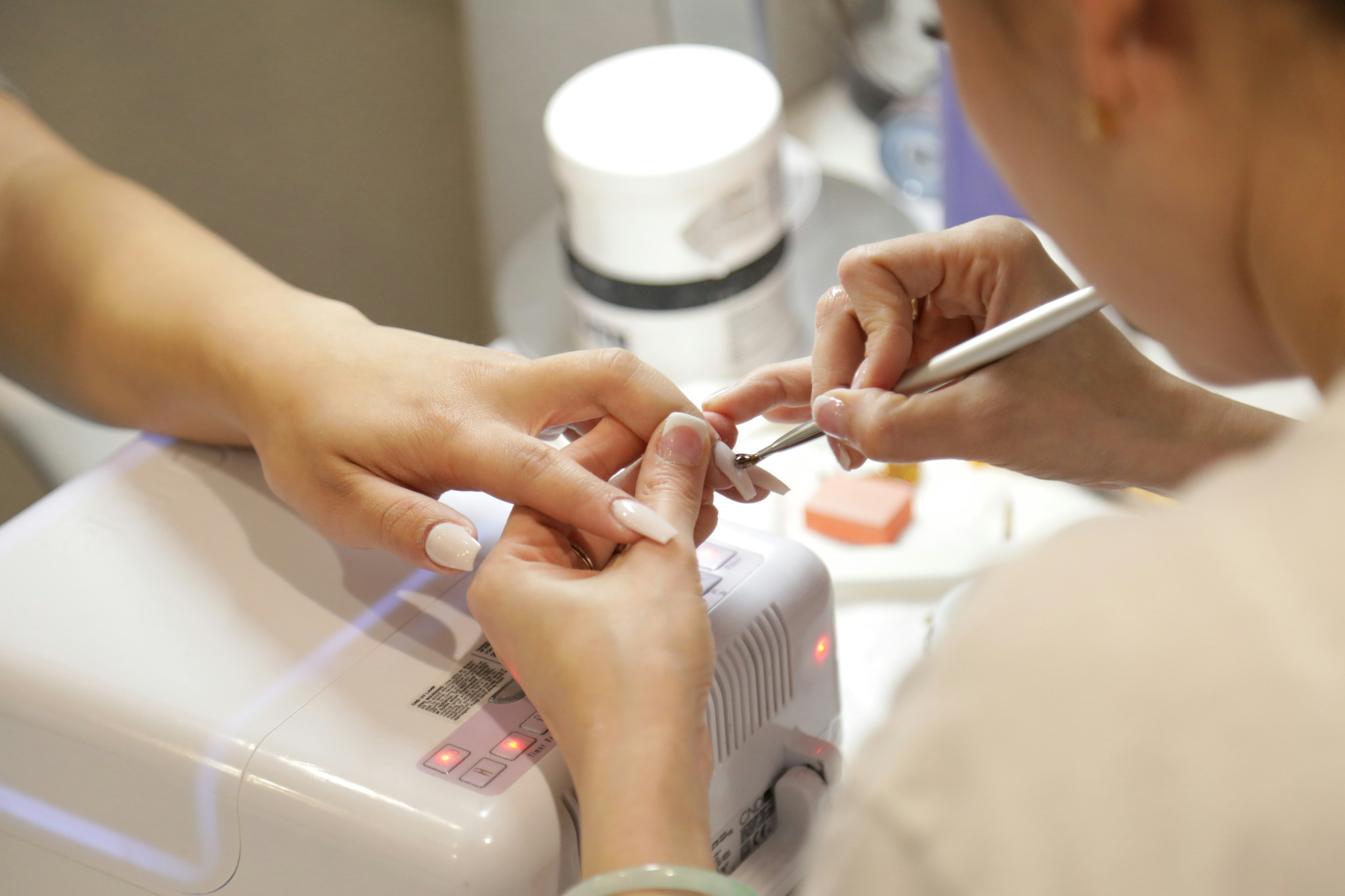
The nail industry is huge; in fact, it’s estimated that by 2030 the nail market will be worth $29.85 billion. Nails are considered by many, an ‘affordable luxury’ with social media further exacerbating nail trends and promoting the consumerist mindset onto out fingertips. But there are many different types of nail enhancement which you can choose from, some more environmentally harmful than others. So, which nails should you choose, press-ons, acrylics, or something else entirely?
Polluting Press-Ons
Let’s start with the most obvious environmental enemy: press-on nails. Press-ons are cheap and accessible to consumers, and I know I love a set from time to time. Shops such as Sephora stock 248 different styles, and Amazon has over 1000 types to choose from. Although press-ons can be made from resin and gel, plastic is the most commonly used material. Given that the nails are so small, the plastic is non-recyclable and in most cases is non-biodegradable. This plastic can take anywhere between 20 to 500 years to biodegrade in landfill sites. On top of this, press-on nails often come in an excess of packaging, and the British Beauty Council estimates that 95% of all cosmetic packaging (nail packaging included) is thrown away, with only 14% of this making it to a recycling plant, and only 9% actually being recycled. Even the resin alternatives often are not biodegradable, unless made from organic material.
To reiterate this issue, shops like Superdrug and Boots have beauty recycling schemes, but neither of these shops currently accept plastic press-on nails.
Like Sephora and Amazon, sites like SHEIN and AliExpress also produce a mass amount of press-on nail options to choose from, with between 40-60 pages of results shown. As well as this exacerbating the amount of plastic and packaging waste being produced, it also raises concerns surrounding labour rights and practices, which continue to be a large issue in the nail industry, both in manufacturing and in salons.
Environmentally Amoral Acrylics
Speaking of salons, let’s look at acrylics. Essentially, every step in the acrylic nail process can create environmental waste. Nail techs wear plastic gloves, use nail files, foil pads, and cotton, which become contaminated waste and therefore cannot be reused, or recycled. Acrylics also contain plastic, making them non-degradable and potentially harmful to aquatic life, through microplastics entering water systems. The acrylics produce these microplastics in landfill sites, when changing temperatures cause them to lose their original form, damaging their chemical structure. Chemical products involved such as formaldehyde (which is carcinogenic!), acetone, acrylic powders, and builder gels are all contributors to microplastic and landfill waste, harming the planet.
Even the air in nail salons has been shown to contain high levels of microplastics, which can be damaging not only to our health, increasing the risk of heart attacks, cardiovascular problems, and breathing difficulties, but also to aquatic life when entering rivers and lakes.
Jarring Gels
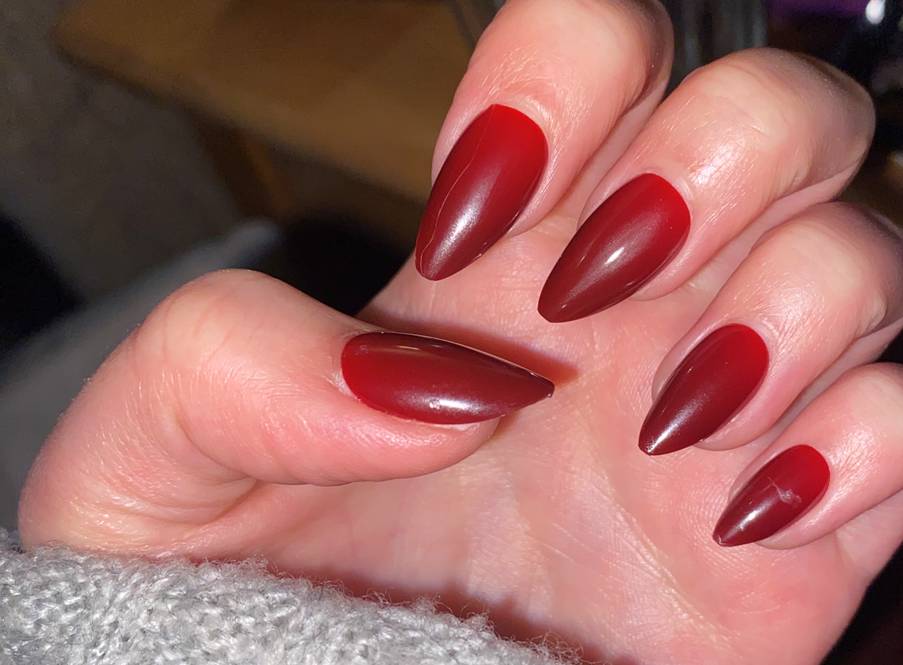
But what about gel nails? During application and removal processes of gels, cotton and lint-free pads are used and are not recyclable due to chemical contamination, and poor disposal of these chemicals is harmful to the environment in a similar way to acrylic nails. Singles-use cotton pads involved in the soak-off process also pose a problem, as cotton production is known to degrade soil, draining plant and water resources.
Problematic Polish
Even nail polish can be harmful if not disposed of correctly, throwing half-empty bottles of nail polish into the bin can lead to chemical leaks in landfill, and even at-home acetone can end up contaminating water systems.
So, does it really matter which nail type you choose, if all are harmful? Especially when you consider that every type of nail can have an enhanced environmental impact due to designs on top of nails often featuring glitter, the microplastic of all microplastics (go read my blog on glitter if you want to know more about that here!).
How can waste be reduced?
Press-ons, especially ones from higher quality companies, can often be reused and re-worn 2-3 times, which would reduce the consumption rate of the plastic and packaging. BIAB nails have been suggested to be both better for nail health, and the planet, as nails can be filled in rather than removed, reducing the amount of acetone used. Could there be a move towards the Japanese manicure, which uses buffing tools and moisturisers to enhance natural nails, or ‘dry manicures’ which skip the soaking steps, reducing chemical and cotton waste?
When disposing of nail polish, make sure to let the polish dry-out entirely, which will allow for the glass bottle to be cleaned and more effectively recycled. Take these empty bottles to a hazardous waste collection, rather than throwing them in the bin. Acetone shouldn’t be poured down the drain but ideally disposed of in hazardous or medical waste bins after being soaked up with tissues. Where possible, avoid acetone completely, and try using essential oil-based and acetone-free removers.
By no means am I saying skip the manicure, but I’d definitely suggest considering the environmental impact of your nails, and how you personally can manage that. Be it through switching nail types, reusing your nails, or making sure you go to a salon which disposes of waste in the most environmentally effective way, make sure your claws have no hidden costs for the planet.
By Emilia Hollingdale, SGO Projects Officer
Sources:
- https://www.refinery29.com/en-gb/are-acrylics-gel-press-on-nails-bad-for-environment
- https://indienails.co.in/blogs/magazine-1/the-hidden-environmental-impact-of-nail-products-the-need-for-safe-disposal-awareness?srsltid=AfmBOoprkuq7PZc_Wi0iwvPDnBHTNMzTdJRe2MJ4XqXFFBT6wry_9SGf
- https://www.tedinitiative.org/blog/the-acrylic-nails-epidemic
- https://www.unr.edu/nevada-today/news/2025/atp-acrylic-nails


