 Sustainability
 Bethany Climpson
 802
802
To all Lego lovers out there, do you remember the day when you upgraded from Duplo to your first Lego set? No? Me neither, don’t worry! However, my point is that even from humble beginnings like Duplo, somewhere along the Lego journey most of us have built and owned some of the iconic plastic bricks at one point in our lives. For many it has acted as a hobby, a chance to get creative and learn to follow something step by step or to simply build with only our imagination as guide. For others, it is an obsession, something to buy, build, display and admire – even spending large sums on rare sets no longer in production. These little bricks hold a lot of power.
The iconic plastic brick was once…wooden?
Once upon a time in the far away land of Denmark, Lego started off as something called BILOfix, their original toy made from wood. These were phased out in 1959, after a decade long introduction of the first interlocking plastic bricks, before fully transitioning to the stud and tube style we still use to this day. From the very beginning, Lego has stood by the motto of “only the best is good enough” with attention to detail even down to the name ‘Lego’, a Danish abbreviation of ‘leg godt’ or ‘play well’ in English.
You can view the timeline of Lego here: Lego Timeline
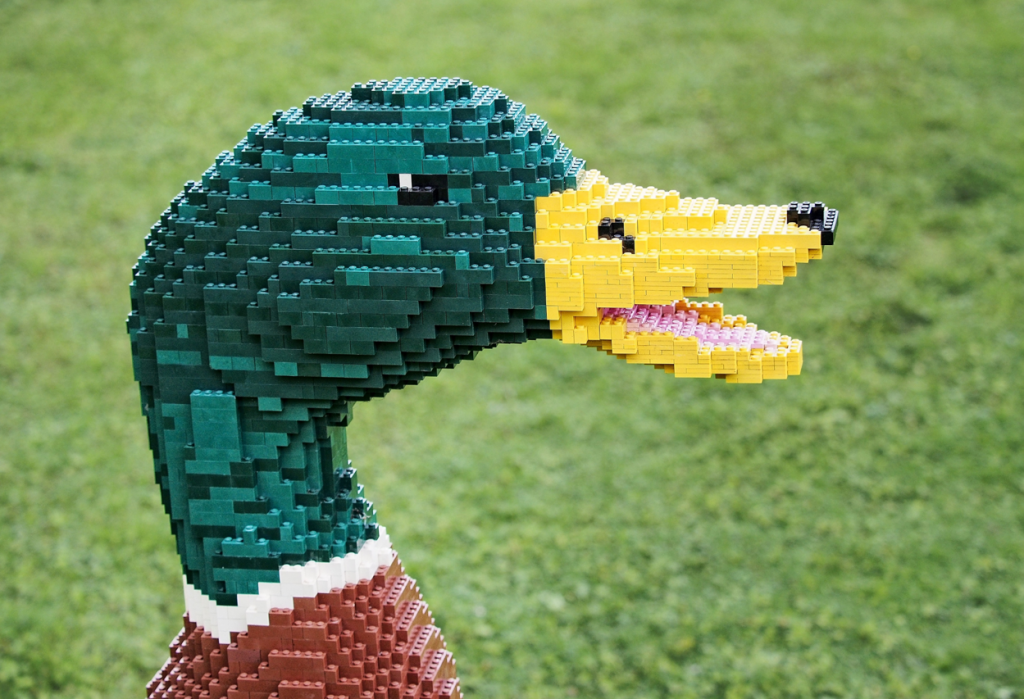
Is Lego a plastic pollutant?
Yes, it is. There is no other way to put it really. Here is why:
- ABS – Lego bricks are made from a material called Acrylonitrile Butadiene Styrene or ABS. This is a form of plastic that is often used for things like 3D printing due to its durability, versatility and finish. Although we can somewhat understand the reasoning behind this, there is no ignoring the fact that ABS is oil based and therefore dependent on fossil fuels to be created. To extract what is needed to make ABS, there is increased habitat destruction, carbon emissions and pollution.
- Will it biodegrade? – ABS is not biodegradable and is likely to end up in landfill or destroyed through incineration, further contributing to greenhouse gas emissions.
- Microplastics – Although durable, ABS is not completely foolproof and as it starts to breakdown it releases microplastics which are not only harmful to the environment but also our health. These microplastics can end up in water where aquatic life may consume them, or even soil risking ingestion by livestock.
- Recycling – ABS is almost impossible to recycle. As it is made up of different materials chemically bonded together, to recycle correctly it would all have to be separated. Recycled ABS is also not popular to buyers.
So yes, Lego is a plastic pollutant due to what it is made of. Nearly 30 years ago, a cargo ship carrying Lego was overturned in the ocean, and to this day the infamous plastic brick is still being found on the beaches closest by. Is there a sustainable future in sight for Lego?
The Future of Lego
Here are some of Lego’s sustainability efforts:
- Water bottle bricks – Lego spent three years developing bricks made from recycled water bottles to end the usage of oil-based plastic. However, this initiative was scrapped in 2023 as it was not having an impact on reducing carbon emissions.
- Circular economy – Lego is advocating for the donation of old, unwanted Lego to friends, family etc., to ensure it does not end up in landfill.
- Testing alternatives – Lego is aiming for all plastic to be renewable or recyclable by 2032 and are currently testing around 600 alternative materials for their bricks. So far, 22% of the bricks are fossil fuel free.
- Mass Balance Approach – A way of mixing sustainable materials with traditional materials. In the case of Lego, virgin fossil sources are combined with renewable sources such as cooking oil to make their products.
Outside of plastic pollution, Lego have made various other efforts in being more sustainable including:
- Packaging – Currently, 93% of Lego’s packing is made from paper-based materials including the individual bags within the sets to maximise what can be recycled.
- Shopping bags – Lego started phasing out single use plastic bags in 2020, now any purchase made from a Lego store will be placed in a paper bag.
- Reducing emissions – Lego were the first major toy company to commit to reducing emissions by 37% by 2032 and achieve net zero by 2050.
- People – Being sustainable includes a social responsibility and for Lego this extends to valuing their workers ensuring that they have safe and fair working environments, supporting anti-discrimination policies and colleagues with invisible disabilities.
- Play Day – Once a year, Lego has a ‘Play Day’ where employees worldwide do not work but play together for a whole day, helping support their wellbeing and working relationships.
- Prescription for Play – For paediatric healthcare where Duplo or Lego is provided to support childhood development ‘learning through play’. This has statistically proved to support children in under resourced communities.
Lego has done a lot of work with regards to social sustainability, if you are interested in finding out more, check out this link: LEGO_Group_Sustainability_Statement_2024.pdf
Is it enough?
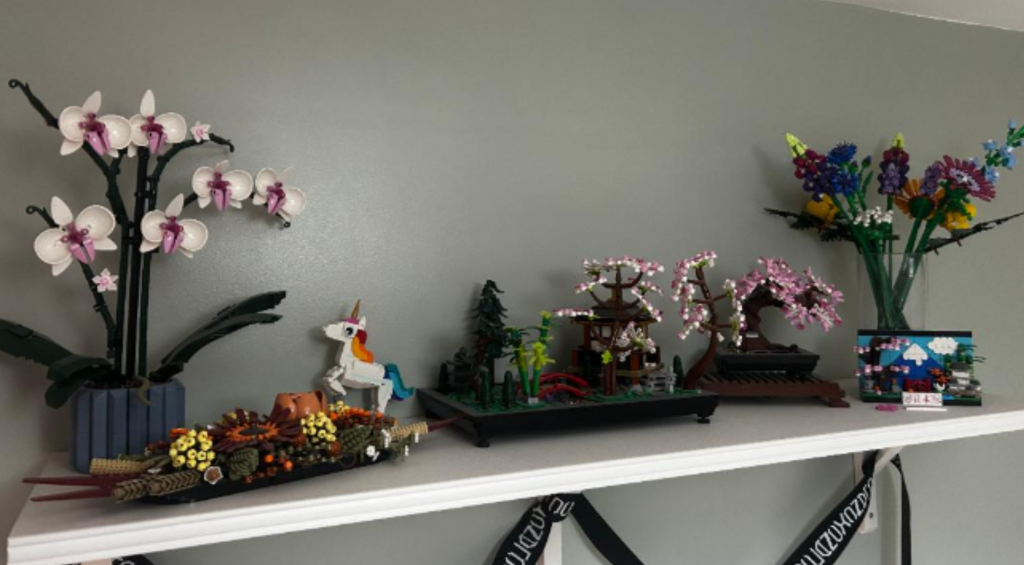
As a certified Lego lover myself and an owner of many sets, it is hard for me to process how bad these plastic bricks are for the environment. Arguably, at the moment they are doing no harm sitting on my shelf at home, but I know cannot help but think of the impact it had getting to that point and what will happen when I no longer want them. Can I think objectively here? Lego is not doing enough, or maybe just not quickly enough from an environmental sustainability point of view. Their social sustainability is far more progressed and evidently successful. Could it be that recyclable, renewable plastic is not the way forward but returning to their origins of wooden toys is? Even then, wooden toys come with their own issues.
What do you think? Is Lego doing enough to tackle plastic pollution? Let us know your thoughts!
Thanks for reading 😊
By Maddie Polston, SGO Projects Officer
Check out our sources:
The stud and tube principle | LEGO® History | LEGO.com US
The LEGO Group history – About Us – LEGO.com
ABS Plastic: Advantages, Disadvantages, and Applications
Sulapac – Replacing ABS plastic sustainably
Plastic pollution: Lego on track for sustainable bricks by 2032 – BBC Newsround
Lego plans to make half the plastic in bricks from renewable materials by 2026 | Lego | The Guardian


