 Politics
 Laura Cashman
 368
368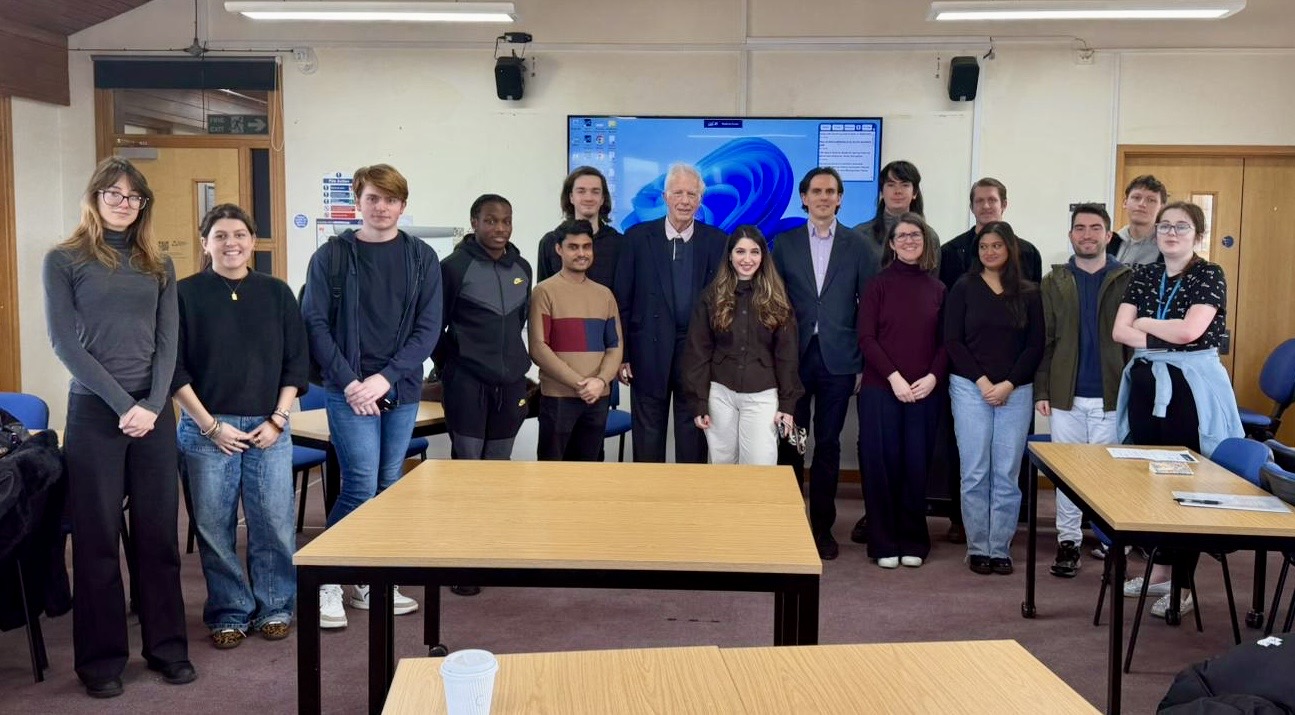
Second-year student Yann-Elie Asket shares key takeaways from a panel of CCCU alumni now working as diplomats, revealing the varied journeys, challenges, and skills shaping modern diplomacy.
The “Working in Diplomacy” event brought together professionals from a range of diplomatic and international policy backgrounds to discuss their careers, the realities of the profession, and the challenges facing diplomacy today.
Although each panellist had followed a very different path, several themes emerged throughout the discussion. From university choices and career development to the role of AI and the importance of history, the event offered a realistic picture of what working in diplomacy actually involves.
Does university prestige matter?
One of the first questions raised was whether university prestige still plays a significant role in entering the profession.
For many students, diplomacy is often associated with elite institutions and highly competitive academic backgrounds. However, the panel largely challenged this assumption.
Christian Turner (Assistant Head – International Policy and Strategy, UK Ministry of Defence) explained that university prestige is becoming less important in practice, particularly as recruitment processes increasingly focus on skills, qualifications and experience rather than educational branding. He pointed to blind recruitment practices as evidence of a broader move away from traditional elitism.
The discussion was particularly interesting given that three of the four panellists had studied at Canterbury Christ Church University. By the end of the evening, it was beginning to feel less like coincidence and more like Canterbury has developed a habit of producing diplomats.
The overall message was clear. What matters most is not where you studied, but what you did while you were there.
There is no single route into diplomacy
If the event proved anything, it was that there is no standard diplomatic career path.
Visiting Professor John Macgregor CVO began his career in the British High Commission in India before working across Europe and later becoming Dean of the British School of International Studies in Brussels. His career also involved following his wife’s postings to countries including Mexico and South Africa, demonstrating how personal and professional lives can often overlap in international careers.
Emil Ahmagic’s route to becoming Economic Assistant at the U.S. Embassy to Bosnia and Herzegovina was entirely different. Originally intending to study psychology, his interests shifted after combining it with international relations. Growing up during the war in Bosnia and Herzegovina also gave him a personal connection to many of the issues that later shaped his career.
Ayten Dellaloglu’spath was influenced by what she described as the “Cyprus problem”. Wanting to contribute to addressing issues affecting her home country motivated her decision to study Politics and International Relations at CCCU before eventually becoming Green Line Trade Department Manager at the Turkish Cypriot Chamber of Commerce.
Christian’s career has perhaps been the least predictable of all. From Brexit preparations and shipping policy to COP26, research diplomacy and defence cooperation, he has worked across a remarkable range of areas. At this point, it is probably easier to list the things he has not done than the things he has.
Despite their different backgrounds, all four speakers demonstrated that diplomacy attracts people from a wide variety of experiences and motivations.
Experience matters more than almost anything else
If there was one point on which the panel showed complete agreement, it was the importance of gaining experience early.
Regardless of whether the discussion focused on internships, research opportunities, NGOs or extracurricular activities, the advice remained remarkably consistent. Do not leave university with an empty CV.
John highlighted the value of voluntary work and NGO experience. Christian spoke about the challenge graduates face when trying to demonstrate relevant experience and suggested that research projects and opportunities with lecturers can help bridge that gap.
Ayten emphasised the importance of internships, while Emil highlighted how seemingly unrelated experiences can later become valuable. One example he gave was managing social media for a university society, which later proved useful when working as a press officer.
What emerged from this discussion was the idea that experience does not have to follow a perfect plan. The important thing is to be doing something.
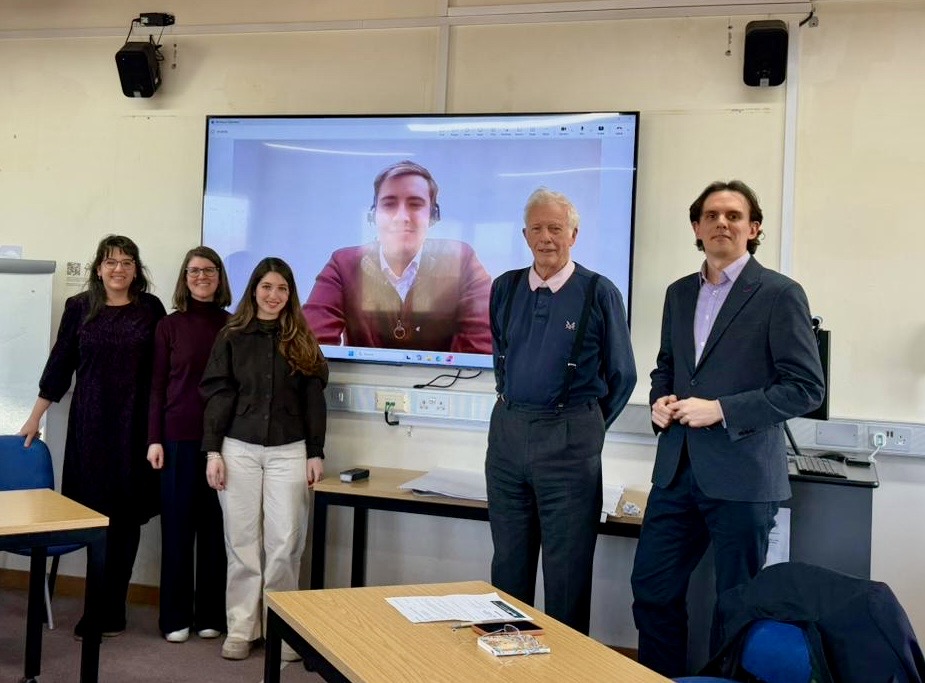
Dr Muzaffer Kutlay, Dr Laura Cashman, Ayten Dellaloglu, Christian Turner, Professor John Macgregor and Emil Ahmagic
Working on issues that matter
An interesting discussion emerged around whether diplomats actually get to work on the issues that originally inspired them to enter the profession.
The answers varied.
Emil explained that diplomatic work is often shaped by government priorities and policy decisions made above your level. As a result, there is not always complete freedom to focus on the issues that initially motivated you.
Christian echoed this point, noting that while some days feel highly impactful, others can feel largely bureaucratic.
Ayten offered a slightly different perspective. Her current role involves managing trade across the Green Line in Cyprus and supporting cooperation between Turkish Cypriot and Greek Cypriot communities. In her case, there is a clear connection between the issue that motivated her to pursue diplomacy and the work she does today.
Together, these perspectives presented a balanced view of the profession. Sometimes your work aligns directly with your passions. Other times, diplomacy functions much like any other organisation, with priorities determined by broader political objectives.
Understanding history remains essential
One of the strongest themes of the evening was the importance of history.
John argued that understanding both your own country’s history and the history of the country you are working in is fundamental to effective diplomacy. He used India as an example, explaining how historical relationships continue to shape contemporary attitudes towards Britain.
Emil expanded on this through his experience in Bosnia, where different communities often hold competing interpretations of historical events. For diplomats, navigating these competing narratives is an important part of the job.
Ayten’s work in Cyprus reflects similar challenges. The division of the island and its political history continue to influence present-day relationships, demonstrating how diplomacy is often inseparable from historical memory.
The discussion made it clear that diplomacy is shaped as much by history and perception as it is by current policy.
Diplomacy is changing, but human judgement still matters
The role of artificial intelligence was another topic explored during the event.
Christian explained that secure internal systems are increasingly being used to assist with drafting and administrative work, particularly in sensitive areas such as defence. Emil noted that AI is most useful when built upon existing knowledge and institutional information rather than being relied upon to generate ideas independently.
Ayten described a more practical use of AI within her own work, including drafting surveys and supporting routine tasks.
Despite the different applications, all three speakers agreed on one point. AI can be useful, but it cannot replace human judgement. Verification, fact-checking and contextual understanding remain essential.
The reality of diplomatic work
The final discussion focused on aspects of diplomacy that students often overlook.
Time zones were identified as a surprisingly significant challenge, particularly when coordinating with colleagues and governments across multiple continents. Teamwork was another recurring theme, with panellists stressing the importance of collaboration even for those who prefer working independently.
Hierarchy also emerged as an important adjustment. Unlike university environments, diplomatic organisations often rely on formal communication structures and chains of command.
John perhaps offered the most sobering observation of the evening. Much of diplomacy is not spent travelling the world attending high-profile meetings. Instead, it involves detailed preparation, research, meetings and desk-based work.
While this may not match popular perceptions of the profession, it highlighted an important reality. Diplomacy often achieves its greatest impact through the work that happens behind the scenes.
Final reflections
Although the panellists followed very different career paths, they shared a number of common conclusions.
University prestige matters less than many people assume. Experience matters significantly more. Careers rarely follow a straight line. History continues to shape international relations, and while technology is changing how diplomacy operates, human judgement remains central to the profession.
Most importantly, the event demonstrated that there is no single type of diplomat and no single route into the field.
The only real mistake, according to every speaker on the panel, is waiting too long to start building experience.
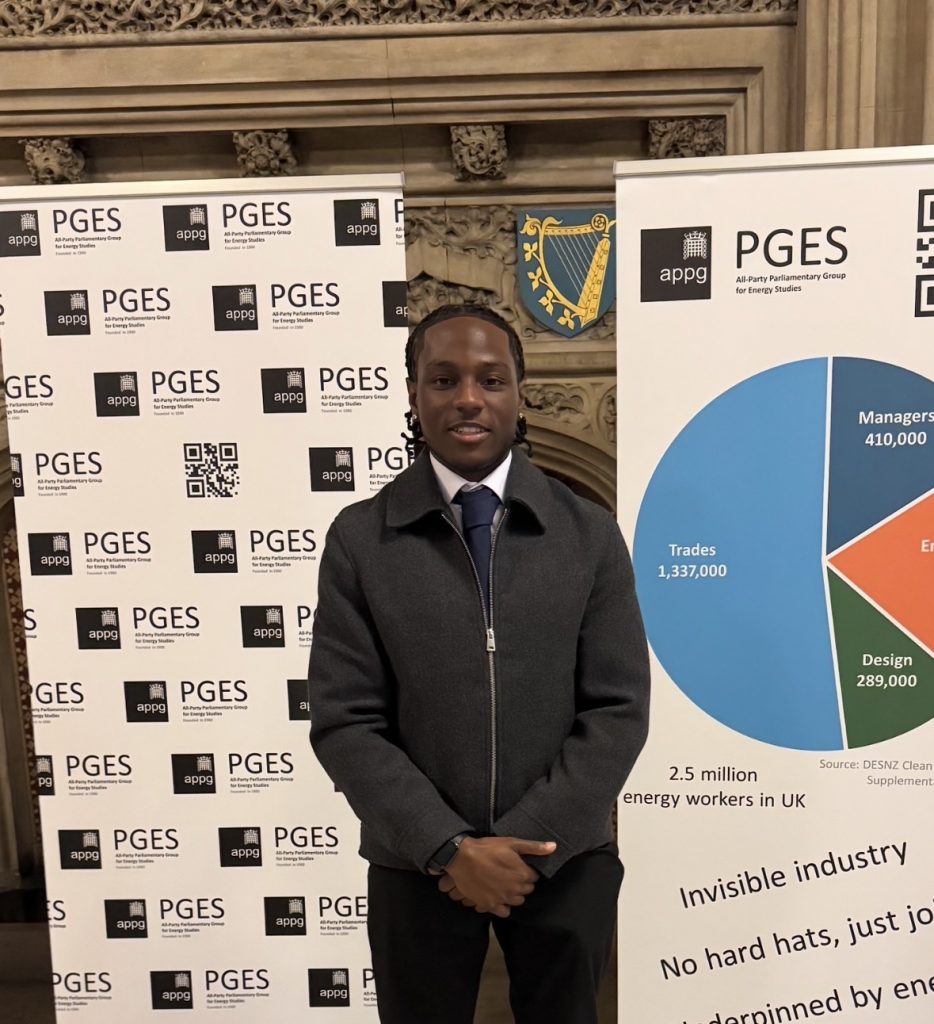
Yann-Elie Asket is in his second year studying BSc International Relations at Canterbury Christ Church University


