 Politics
 Laura Cashman
 433
433
What if one of the most effective learning activities in your degree wasn’t planned at all? Dr Laura Cashman reflects on her longstanding practice of starting each class with a discussion of the news.
Every class I’ve ever taught has begun with a discussion about what’s happening in the news. In the beginning I did it because it felt like an easy icebreaker. I hated the thought of a silent room – the terror of every new academic leading their first seminars. Even if students had not done the recommended reading, they could not avoid news headlines. In an ideal world, they would connect the key reading to something happening somewhere in the world but at the very least, as politics students, they would notice things happening around them.
My other motivation was to work out which issues students were paying attention to. As I’ve aged, and resisted social media, this has become increasingly important. We are less likely to be getting our news from the same sources and so this increases everyone’s awareness – including mine.
In classrooms with a diverse cohort of international students, it also helped everyone to get a sense of how the same kind of news story was reported (or ignored) in different contexts. It was also useful for students to get a sense that globally priorities might be different for editors and audiences.
And of course, the political turmoil of recent years (especially since Donald Trump has returned to office) has made this exercise as much a form of therapy as political analysis. Discussing events that shock and confuse us can (hopefully) help to make sense of them.
While all the above is true, probably the most significant benefit is the original icebreaker intention. Every politics student has a view about the news even if they don’t have a fully formed understanding about whatever academic topic we are covering in that class. Furthermore, the stakes are low, and everyone can feel confident sharing a story they followed or even asking a question. However, it’s still different to a chat with friends or family beyond the classroom, because I am there to signpost, delve deeper with my questions and occasionally to referee when there are very different views on the same theme. This is much the same as I do when we discuss key concepts or key readings, only in this part of the session everyone is talking.
It’s also a way to get to know classmates better and work out who shares their perspectives and interests, building that all-important sense of learning community. Everyone gets to practice speaking and testing their ideas in the lowest stake environment possible. This gives them the confidence they need to talk up in other spaces.
In module evaluations, feedback sessions and student fora, this simple exercise is regularly raised as a very positive aspect of my teaching. So far, so wonderful. However, I’ve only recently discovered that what I’ve been doing to break the ice, has also been building oracy skills.
Oracy was a new word to me. In the past year, CCCU has been central to The National Oracy Forum – a nationwide network to create an oracy skills policy alongside literacy and numeracy. Unbeknownst to me, this kind of “structured talk” has been carefully analysed and extensive research points to a whole range of benefits: improving confidence and peer relationships, building the communication skills employers need and bringing positive impacts to students across the attainment spectrum – including those whose first language is not English.
And there I was, doing all of this without even realising.
Our instincts can lead us to teaching practices which we can see have a positive impact and yet not realise that what we are doing has far deeper resonance. I don’t particularly want a marking rubric to measure the impact of what I’m doing. Indeed, if this activity were assessed, it would probably spoil it. The whole point is to let students test ideas and practice speaking without any consideration that they are being scrutinised. In giving students room to speak, we give them more than a voice – we give them the confidence to use it.
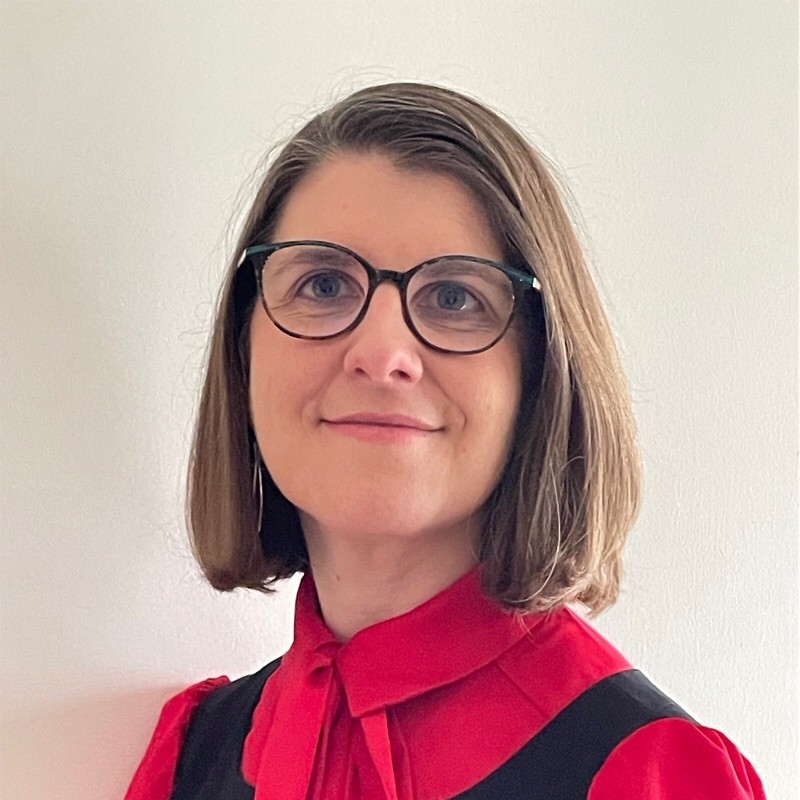
Dr Laura Cashman is Principal Lecturer in Politics and International Relations, Senior Fellow of the Higher Education Academy and Course Director for BSc Politics and International Relations
Caption Photo credit: Adobe Express


