 Politics
 Kamalakhanim Aghazada
 1145
1145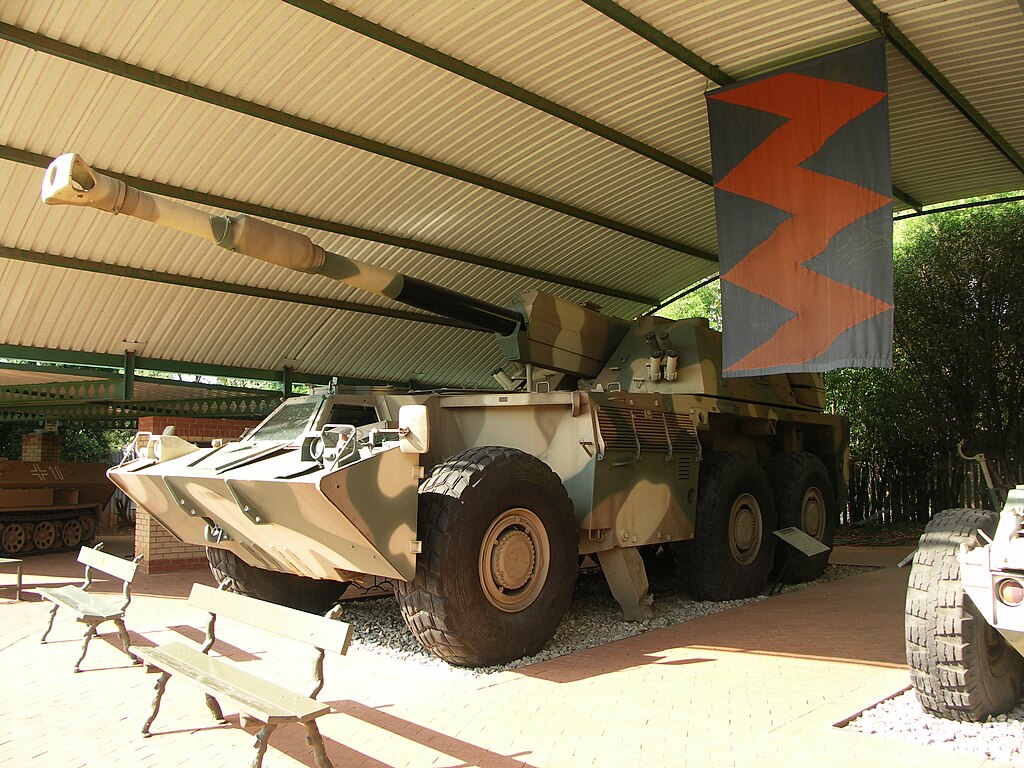
Ileowo Kikiowo, a PhD researcher in Politics and International Relations, reflects on the growing return of coups in West and Central Africa, and why democrats should be paying attention.
The world may not have heard of the last coup and counter-coup currently bedevilling the West and Central African region, and this trend should be a source of concern for all lovers of democracy. On 3 January 2026, Burkina Faso—a West African state already grappling with persistent insurgency, deteriorating infrastructure, widespread unemployment, and endemic poverty—experienced yet another attempted coup. Since the end of the Covid-19 pandemic, African countries, many of them former French colonial outposts, are witnessing a resurgence of coups and the rise of violent armed groups that threaten the stability of the entire African continent, and by extension, the entire world. For watchers of democracy and scholars of African politics, this is not a surprise given the self-evident nature of coup indicators. From electoral malfeasance to tinkering with crucial constitutional provisions and the strangulation of opposition and press freedoms, the ruling class in many of these countries continues to govern in a way that makes a nonsense of democratic norms, morality, ethics, and the rule of law, thereby guaranteeing future coups.
At the last count, 69 attempted and successful coups have been carried out in Africa since 2010, with more than 80 per cent of them occurring in sub-Saharan Africa. A recent coup in the Benin Republic on 7 December 2025 was crushed after a few hours of soldiers mutinying, thanks to the intervention of its former colonial ruler, France. This influenced the Nigerian authorities to deploy troops to pursue the coup plotters. Nigeria itself had, in a silent move, foiled a coup planned for 1 October 2025, by arresting soldiers involved in the plot, several media sources reported. However, Madagascar and Guinea-Bissau were not so lucky as the coup plotters successfully overthrew the democratically elected government in the former and disrupted an electoral process in the latter in 2025.
Though the coups may not have been successful in Nigeria, Benin Republic, Democratic Republic of Congo, Sierra Leone, The Gambia, Sao Tome and Principe, and others, the reasons they occurred are still very much present and unchanged. In the Benin Republic, for example, a former bastion of a thriving democracy, has become a stark example of what it used to stand against before President Patrice Talon took the oath of office in 2016. The self-styled ‘King of Cotton’ quickly unravelled after he took over power despite campaigning on the promise to fight corruption, revamp the economy, serve only one term and limit presidential powers – an unprecedented promise in the annals of African politics where elites strive for absolute power. However, upon assuming office, Talon reneged on his promise. He not only ran for a second term, but also altered the constitution, extending the presidential term from 5 to 7 years, though he has claimed he will not benefit from the change. In his deconstruction of a thriving democracy, he clings to power through electoral autocracy, banning several political parties from contesting elections. Benin is now under the chokehold of Talon’s anti-democratic machinations. To exacerbate the already tense political atmosphere, he has failed to curtail terrorist incursions into the northern part of the country.
The sub-Saharan African political story is not much different from that of the Benin scenario. From Nigeria to Cameroon, Togo, Côte d’Ivoire, and others, officeholders conjure obscure regulations to screen out opposition candidates from participating in political contests, muzzle the press, and manage to secure over 90 per cent of the votes cast in elections that usually record less than 20 per cent voter turnout. These political rulers cling generally to power through predetermined electoral outcomes, constitutional changes, corruption, ineffective state institutions and tactical endorsements by the West. So long as this situation continues to play out without any change in sight, the continent had better prepare for more coups in 2026 and beyond.
In conclusion, while the recurrence of coups and counter-coups in Africa reflects failures in governance, security architecture, and weak institutions, addressing this phenomenon is not a complex matter. A multifaceted approach that includes rapid socio-economic development, consistent policy implementation, strengthening of governance institutions, and multi-sectoral reforms must be implemented. For instance, the West, which conceived the idea of international law and the rule of law, must remain consistent in its dealings with Africa. A uniform strategy should be applied to all member states, aligned with international best practices, rather than being driven by narrow, self-serving interests. A situation in which despots are allowed free rein in compensation for their alignment with the Western-led international order should cease forthwith. Lastly, global and regional bodies such as the UN, EU, AU, and ECOWAS must immediately restrategise to regain their waning influence in a new world order that is rendering their ability to set nations aright redundant.
Photo credit: NJR ZA, CC BY-SA 3.0 https://creativecommons.org/licenses/by-sa/3.0, via Wikimedia Commons.

Ileowo Kikiowo is a PhD student in Politics and International Relations at Canterbury Christ Church University. He is currently researching the relationship between oil revenue and the pursuit of true federalism in Nigeria, with a focus on understanding how the nation’s resource-based economy influences its governance, political and federal structures.


